Debt Management Plan Completion: What Happens Next?
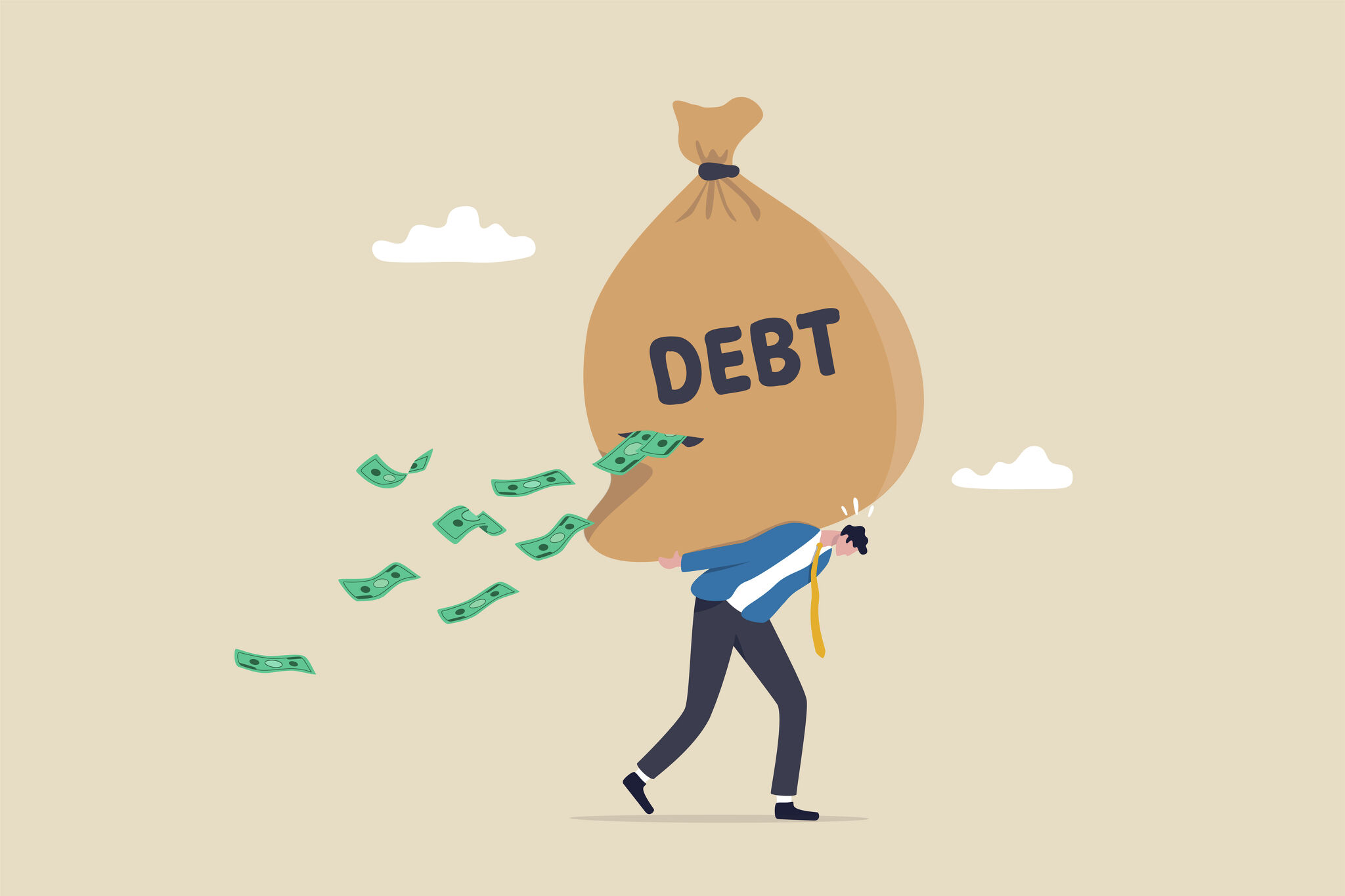
Congratulations! You've finally reached the finish line of your Debt Management Plan (DMP). All those months, maybe even years, of diligent payments and careful budgeting have paid off. But as the confetti settles, you might be wondering, "Okay, now what?" It's a valid question, and navigating this new chapter of financial freedom requires a little planning.
After enduring a DMP, the prospect of suddenly handling your finances independently again can feel a little daunting. You've grown accustomed to the structure and support, and the thought of managing everything solo might bring a mix of excitement and apprehension. There's also the lingering question of how your credit score has fared and what steps to take next to solidify your financial health.
This blog post will guide you through what to expect after completing your Debt Management Plan. We'll cover everything from understanding your credit report and rebuilding your credit score to establishing healthy financial habits for long-term success. We'll also explore options for managing your finances independently and seeking ongoing support if needed. Think of this as your roadmap to a brighter, debt-free future!
You've worked hard to get here. Completing a Debt Management Plan is a significant accomplishment. This post delves into the steps you should take immediately after finishing your DMP, including reviewing your credit report, understanding how your credit score may have been impacted, and establishing a solid budget. We'll also cover building an emergency fund, exploring various financial tools, and considering ongoing financial education to ensure you stay on the right track. Remember, financial freedom is within your reach, and with the right knowledge and strategies, you can maintain it for years to come.
Confirming Completion and Obtaining Documentation
I remember the day I received the final statement confirming my debt was paid off through my DMP. It was a wave of relief mixed with a touch of disbelief. I immediately wanted to have it in writing. Make sure you do the same. The first crucial step is to formally confirm with your DMP provider that all debts included in the plan have been settled. Request written documentation, such as a completion certificate or a final statement, that clearly states your accounts are closed and have a zero balance. This documentation is essential for your records and will be helpful if you encounter any discrepancies with your creditors or credit bureaus in the future. I kept mine both digitally and in a safe physical location. I even made copies for trusted family members to hold, just in case.
Having official documentation is more than just a formality; it's your proof that you've fulfilled your obligations. Contact each of your creditors individually to confirm they have received the final payment and that your accounts are closed. Keep records of these conversations, including the date, time, and the representative's name. It might seem excessive, but being proactive can save you headaches down the road. Some creditors may take time to update their systems, so it's wise to follow up regularly. Monitor your credit reports from all three major credit bureaus (Equifax, Experian, and Trans Union) to ensure that the accounts listed in your DMP are accurately reported as closed with zero balances. Report any errors or discrepancies to the credit bureaus immediately and provide them with your completion certificate as supporting documentation. Taking these steps ensures that your credit history reflects your accomplishment and protects you from potential billing errors or continued collection efforts on settled debts. This is critical for rebuilding your credit and securing future financial opportunities.
Reviewing Your Credit Report
Your credit report is a comprehensive record of your credit history, and it plays a crucial role in your financial life. After completing your DMP, thoroughly reviewing your credit report from all three major credit bureaus is essential. Obtaining your credit reports is free once a year from each bureau through Annual Credit Report.com. I made a habit of checking one every four months, spacing them out to keep an eye on things. This allows you to monitor any changes or errors throughout the year. Examine each report carefully, paying close attention to the accounts included in your DMP. Ensure that these accounts are accurately listed as closed with a zero balance. Also, check for any inaccuracies or unauthorized accounts that may have appeared on your report.
Debt Management Plans typically don't erase negative information from your credit report. Instead, they demonstrate that you are actively managing your debt and fulfilling your obligations. The accounts included in your DMP will likely be marked as "included in debt management plan," which can remain on your credit report for several years. However, the impact of these accounts on your credit score will gradually decrease over time as you demonstrate responsible credit behavior. One of the most significant benefits of reviewing your credit report is identifying any errors or discrepancies. Common errors include incorrect account balances, misreported payment statuses, or accounts that should have been included in your DMP but were not. If you find any errors, dispute them with the credit bureau immediately. Provide supporting documentation, such as your completion certificate and account statements, to substantiate your claims. The credit bureaus are required to investigate your dispute and correct any inaccuracies within 30 days. Regularly monitoring your credit report and addressing any errors is crucial for improving your credit score and maintaining a healthy financial profile. This proactive approach will help you navigate the next steps in your financial journey with confidence.
Understanding the Impact on Your Credit Score
The impact of a Debt Management Plan on your credit score is a complex issue with a lot of misconceptions. One common myth is that a DMP will instantly destroy your credit score. While it's true that enrolling in a DMP can initially lower your score, the long-term effects are generally more nuanced. The initial dip is often due to the closure of credit accounts or the notation on your credit report that you are participating in a debt management program. However, the positive impact of making consistent, on-time payments over the duration of your DMP can gradually improve your score.
The most significant factor influencing your credit score is your payment history. By consistently making payments as agreed under your DMP, you demonstrate responsible credit behavior, which can help rebuild your creditworthiness over time. Another factor is the amount of debt you owe. As you pay down your debts through the DMP, your credit utilization ratio (the amount of credit you're using compared to your total available credit) improves, which can also positively impact your score. The length of your credit history also plays a role. If you have a limited credit history, the impact of a DMP on your score may be more pronounced. However, as you continue to build a positive credit history after completing your DMP, the negative effects will diminish over time. One crucial step to take after completing your DMP is to monitor your credit score regularly. You can use free credit monitoring services or credit score simulators to track your progress and identify areas for improvement. These tools can help you understand how different financial decisions, such as opening a new credit card or taking out a loan, might affect your score. While a DMP may have initially impacted your credit score, the consistent effort you've put in to manage your debt can lead to gradual improvement over time. By understanding the factors that influence your credit score and taking proactive steps to build a positive credit history, you can successfully navigate your financial future.
Building an Emergency Fund
Imagine you've just crossed the finish line of a marathon, and someone immediately asks you to run another one. That's kind of how it feels moving from a DMP to completely independent financial management. You need to prepare for the unexpected. One of the most important steps after completing your Debt Management Plan is to build an emergency fund. This fund serves as a financial safety net to cover unexpected expenses, such as medical bills, car repairs, or job loss. The goal is to have enough money saved to cover three to six months' worth of living expenses. I know it sounds daunting, but start small and be consistent.
Start by setting a savings goal and creating a budget to track your income and expenses. Identify areas where you can cut back on spending and allocate those funds to your emergency fund. Consider automating your savings by setting up automatic transfers from your checking account to your savings account each month. Even small, regular contributions can add up over time. If you receive a bonus, tax refund, or other windfall, consider putting a portion of it into your emergency fund. Over time, you'll see your savings grow, providing you with peace of mind and financial security. Building an emergency fund not only protects you from unexpected financial setbacks but also helps you avoid accumulating debt in the future. By having a readily available source of funds to cover emergencies, you can avoid relying on credit cards or loans, which can quickly lead to a cycle of debt. Remember, building an emergency fund is a marathon, not a sprint. Be patient, stay consistent, and celebrate your progress along the way. The security and peace of mind that comes with having a financial safety net is well worth the effort.
Establishing a Budget
The hidden secret to maintaining financial stability long after your DMP is a well-crafted budget. Many people view budgeting as a restrictive exercise, but it's actually a powerful tool for gaining control of your finances. A budget allows you to track your income and expenses, identify areas where you can save money, and allocate your resources effectively. It's about making conscious choices about how you spend your money and aligning your spending with your financial goals.
Start by tracking your income and expenses for a month. You can use budgeting apps, spreadsheets, or even a simple notebook to record every dollar you earn and spend. Once you have a clear picture of your spending habits, categorize your expenses into fixed expenses (such as rent, mortgage, and utilities) and variable expenses (such as groceries, entertainment, and dining out). Next, create a budget that allocates your income to cover your fixed expenses, variable expenses, and savings goals. Prioritize your essential expenses and look for ways to cut back on discretionary spending. Be realistic and flexible with your budget. Life happens, and unexpected expenses will arise. The key is to adapt your budget as needed and stay committed to your financial goals. Make sure to include a line item for "fun money" so that you don't feel deprived. This will help you stick to your budget in the long run. Review your budget regularly and make adjustments as needed. As your income and expenses change, your budget should evolve to reflect your current financial situation. By establishing and maintaining a budget, you can stay on track with your financial goals and avoid falling back into debt. It's a valuable tool for managing your money effectively and building a secure financial future.
Exploring Financial Tools and Resources
One of my biggest recommendations after completing your DMP is to take advantage of the many financial tools and resources available. The world of personal finance can seem overwhelming, but there are countless resources that can help you manage your money more effectively. From budgeting apps and credit monitoring services to financial education websites and counseling programs, there's something for everyone.
Budgeting apps like Mint, YNAB (You Need A Budget), and Personal Capital can help you track your income and expenses, set financial goals, and monitor your progress. These apps often offer features like automatic transaction categorization, bill payment reminders, and investment tracking. Credit monitoring services like Credit Karma, Credit Sesame, and Experian offer free credit scores and reports, as well as alerts for changes to your credit file. These services can help you identify potential fraud or errors and track your progress toward rebuilding your credit. Financial education websites like Nerd Wallet, Investopedia, and The Balance offer a wealth of information on topics like budgeting, saving, investing, and debt management. These websites can help you expand your financial knowledge and make informed decisions about your money. If you need personalized financial advice, consider working with a certified financial planner (CFP) or a financial counselor. These professionals can help you develop a comprehensive financial plan, set realistic goals, and navigate complex financial issues. Taking advantage of these financial tools and resources can empower you to manage your money more effectively and achieve your financial goals. Whether you're looking to budget more effectively, rebuild your credit, or invest for the future, there are resources available to support you every step of the way. Don't be afraid to explore different options and find the tools and resources that work best for you. Your financial success depends on it.
Considering Ongoing Financial Education
Ongoing financial education is essential for long-term financial well-being. Just because you've completed a DMP doesn't mean you're done learning about money. In fact, it's just the beginning. The more you understand about personal finance, the better equipped you'll be to make informed decisions and avoid repeating past mistakes. There are many ways to pursue ongoing financial education, including reading books and articles, attending workshops and seminars, and taking online courses.
Consider exploring topics such as investing, retirement planning, insurance, and estate planning. The more you know about these areas, the better prepared you'll be to navigate life's financial challenges and opportunities. Sign up for email newsletters or follow personal finance blogs and social media accounts to stay up-to-date on the latest financial news and trends. Attend workshops or seminars offered by local community centers, libraries, or financial institutions. Take online courses offered by universities, colleges, or online learning platforms like Coursera or Udemy. Consider working with a financial coach or counselor to develop a personalized financial education plan. Remember, financial education is an ongoing process. The more you learn, the more confident and empowered you'll be to manage your money effectively and achieve your financial goals. Commit to lifelong learning and stay curious about the world of personal finance. Your financial future depends on it.
Rebuilding Your Credit
Rebuilding your credit after a Debt Management Plan is a marathon, not a sprint. It takes time, patience, and consistent effort to repair any damage to your credit score. However, with the right strategies, you can gradually improve your creditworthiness and access better financial opportunities in the future. The first step is to establish a positive payment history. Make sure to pay all your bills on time, every time. This includes credit cards, loans, utilities, and rent. Set up automatic payments to avoid missed payments and late fees.
Consider opening a secured credit card. A secured credit card requires you to make a cash deposit as collateral, which typically becomes your credit limit. Use the card responsibly by making small purchases and paying off the balance in full each month. This demonstrates to lenders that you can manage credit responsibly. Another option is to become an authorized user on someone else's credit card. If you have a family member or friend with a good credit history, ask if you can be added as an authorized user on their account. Their positive payment history can help improve your credit score, but be aware that their negative payment history can also negatively impact your score. Avoid applying for too many credit cards or loans at once. Each credit application can trigger a hard inquiry on your credit report, which can temporarily lower your score. Focus on building a solid credit history with a few well-managed accounts. Monitor your credit report regularly and dispute any errors or inaccuracies. Remember, rebuilding your credit takes time and effort. Don't get discouraged if you don't see results overnight. Stay consistent with your positive financial habits and gradually improve your creditworthiness.
The Role of Secured Credit Cards
Secured credit cards play a significant role in rebuilding credit after a Debt Management Plan. They are designed for individuals with limited or damaged credit histories who may not qualify for traditional unsecured credit cards. Secured credit cards require a cash deposit as collateral, which typically becomes the card's credit limit. This deposit reduces the risk for the lender and allows them to extend credit to individuals who might otherwise be denied. The process of obtaining a secured credit card is relatively straightforward.
You'll need to apply for the card and provide the required cash deposit. The deposit is held in a secured account and is typically refunded to you when you close the account or upgrade to an unsecured card. Using a secured credit card responsibly can help you rebuild your credit in several ways. First, it allows you to establish a positive payment history. By making small purchases and paying off the balance in full each month, you demonstrate to lenders that you can manage credit responsibly. Second, it helps you improve your credit utilization ratio. Keeping your balance low compared to your credit limit can positively impact your credit score. Third, it adds a new credit account to your credit report, which can diversify your credit mix and improve your creditworthiness. When choosing a secured credit card, compare interest rates, fees, and reporting practices. Look for a card with a low annual fee and a grace period that allows you to avoid interest charges by paying your balance in full each month. Also, make sure the card reports your payment activity to all three major credit bureaus. After using a secured credit card responsibly for several months, you may be eligible to upgrade to an unsecured card. This typically requires a good payment history and a satisfactory credit score. Upgrading to an unsecured card allows you to regain access to your cash deposit and continue building your credit with a traditional credit card.
Fun Facts About Debt Management Plans
Did you know that Debt Management Plans have been around for decades? While the modern form of DMPs evolved in the late 20th century, the concept of structured debt repayment has roots stretching back much further. In ancient civilizations, various forms of debt forgiveness and management were practiced, often tied to religious or social customs. These early forms of debt relief aimed to prevent economic hardship and maintain social stability.
In the United States, the rise of consumer credit in the mid-20th century led to an increase in debt-related problems. As a result, nonprofit credit counseling agencies began to emerge, offering debt management services to individuals struggling with debt. These agencies worked with creditors to negotiate lower interest rates and create structured repayment plans. One fun fact is that the first credit counseling agencies were often staffed by volunteers who were passionate about helping others manage their finances. Over time, these agencies evolved into the professional organizations we know today, offering a range of services, including debt management plans, credit counseling, and financial education. Today, Debt Management Plans are a widely recognized and utilized tool for managing debt. They offer a structured approach to repayment, lower interest rates, and the support of experienced credit counselors. While DMPs are not a quick fix, they can provide a pathway to debt freedom for individuals who are committed to making consistent payments and managing their finances responsibly. The history of DMPs reflects the ongoing evolution of debt management strategies and the importance of providing support to individuals struggling with financial challenges.
How to Maintain a Debt-Free Lifestyle
Maintaining a debt-free lifestyle after completing a DMP requires a shift in mindset and the adoption of healthy financial habits. It's about consciously choosing to live within your means and avoiding the temptation to overspend. Start by setting clear financial goals. What do you want to achieve with your money? Do you want to save for a down payment on a house, invest for retirement, or simply build a financial safety net? Having clear goals can help you stay motivated and focused on your financial priorities.
One of the most important steps is to create and stick to a budget. A budget allows you to track your income and expenses, identify areas where you can save money, and allocate your resources effectively. Make sure to include line items for savings, debt repayment (if you have any remaining debts), and discretionary spending. Avoid using credit cards for everyday purchases. Credit cards can be a convenient way to pay for things, but they can also lead to overspending and debt accumulation. Instead, use cash or a debit card for your daily expenses. Pay off your credit card balances in full each month to avoid interest charges. If you have existing credit card debt, prioritize paying it off as quickly as possible. Set up automatic payments to avoid missed payments and late fees. Build an emergency fund to cover unexpected expenses. Having a financial safety net can help you avoid relying on credit cards or loans when emergencies arise. Regularly review your finances and make adjustments as needed. As your income and expenses change, your financial plan should evolve to reflect your current situation. By adopting these healthy financial habits, you can maintain a debt-free lifestyle and achieve your financial goals. Remember, financial freedom is within your reach, and with the right strategies, you can maintain it for years to come.
What If You Encounter Financial Difficulties Again?
Life is unpredictable, and even with the best financial planning, you may encounter financial difficulties again in the future. It's important to have a plan in place for how you'll handle such situations. The first step is to assess the situation and identify the root cause of your financial difficulties. Are you facing a temporary setback, such as a job loss or medical emergency, or are you dealing with a more systemic issue, such as overspending or debt accumulation?
Once you understand the cause of your financial difficulties, take steps to address it. If you've lost your job, start looking for new employment opportunities immediately. If you're facing a medical emergency, explore options for managing your medical bills, such as payment plans or financial assistance programs. If you're struggling with overspending, review your budget and identify areas where you can cut back on expenses. Consider seeking help from a financial counselor or credit counselor. These professionals can provide guidance and support to help you manage your finances and develop a plan to get back on track. They can also help you explore options for debt relief, such as debt consolidation or debt settlement. Avoid making impulsive financial decisions or turning to high-interest loans or credit cards. These solutions can quickly lead to a cycle of debt and make your financial situation even worse. Instead, focus on developing a sustainable plan for managing your finances and addressing the root cause of your difficulties. If you find yourself struggling to manage your finances on your own, don't hesitate to seek help from a qualified professional. Remember, it's okay to ask for help when you need it. There are many resources available to support you, and seeking help is a sign of strength, not weakness.
List of Key Takeaways After Completing a Debt Management Plan
Here's a quick list of the key takeaways to keep in mind after completing your Debt Management Plan:
- Confirm Completion and Obtain Documentation: Ensure you receive written confirmation from your DMP provider and verify account closures with creditors.
- Review Your Credit Report: Check your credit report from all three major bureaus for accuracy and dispute any errors.
- Understand the Impact on Your Credit Score: Recognize that a DMP can initially lower your score, but consistent payments can improve it over time.
- Build an Emergency Fund: Save three to six months' worth of living expenses to cover unexpected costs.
- Establish a Budget: Track income and expenses to manage your money effectively and align spending with your financial goals.
- Explore Financial Tools and Resources: Utilize budgeting apps, credit monitoring services, and financial education websites.
- Consider Ongoing Financial Education: Stay informed about personal finance topics and continue learning about managing your money.
- Rebuild Your Credit: Establish a positive payment history, consider a secured credit card, and avoid excessive credit applications.
- Maintain a Debt-Free Lifestyle: Live within your means, avoid credit card debt, and prioritize savings.
- Seek Help If Needed: Don't hesitate to consult a financial counselor or credit counselor if you encounter difficulties.
Question and Answer
Q: How long does it take to rebuild credit after a DMP?
A: It varies, but it generally takes several months to a few years of consistent positive financial behavior to see significant improvement in your credit score.
Q: Can I get a mortgage after completing a DMP?
A: Yes, but it may take some time and require a larger down payment and a higher interest rate. Focus on rebuilding your credit and demonstrating financial stability.
Q: What if a creditor continues to contact me after I've completed my DMP?
A: Provide them with your completion certificate and documentation from your DMP provider. If they persist, you may need to contact a consumer protection agency or seek legal advice.
Q: Should I close the accounts included in my DMP once they are paid off?
A: Generally, yes. Closing these accounts can help prevent further debt accumulation. However, consult with a credit counselor to determine the best course of action for your specific situation.
Conclusion of Debt Management Plan Completion: What Happens Next?
You've done it! Completing a Debt Management Plan is a major accomplishment. Now it's time to build on that success by taking proactive steps to secure your financial future. Remember to confirm your completion, review your credit report, establish a budget, and build an emergency fund. Explore the many financial tools and resources available, and commit to ongoing financial education. By following these steps, you can maintain a debt-free lifestyle, rebuild your credit, and achieve your financial goals. Congratulations on your journey to financial freedom!
Post a Comment