Debt Management Strategies for Freelancers and Gig Workers
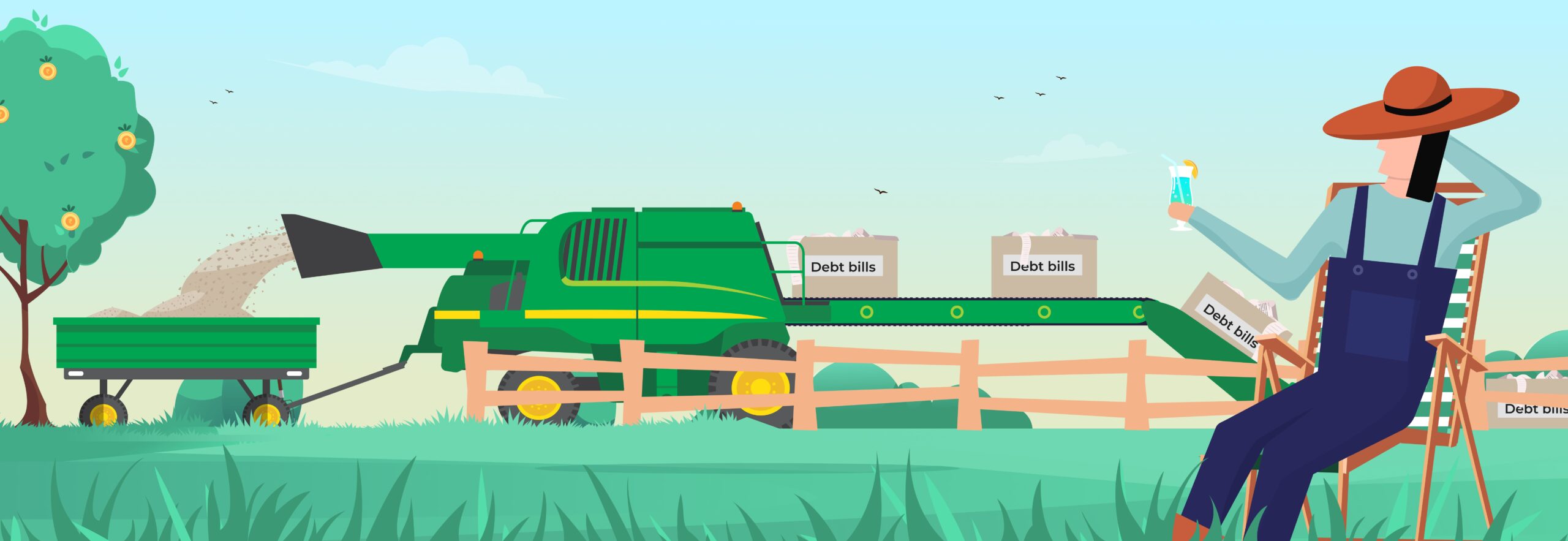
Imagine this: You're a freelancer, juggling multiple projects, chasing invoices, and embracing the freedom of being your own boss. But then reality hits – a pile of bills looms large, and debt starts to feel like a constant shadow. You're not alone; many independent workers face this challenge.
The fluctuating income, lack of employer-sponsored benefits, and the responsibility of managing your own finances can create a perfect storm. Unexpected expenses can throw a wrench in the works, and sometimes, just making ends meet feels like an uphill battle. Figuring out how to tackle debt effectively can feel overwhelming, adding to the stress of an already demanding career.
This blog post is your guide to navigating the often-complex world of debt management as a freelancer or gig worker. We'll explore practical strategies to help you regain control of your finances, reduce debt, and build a more secure financial future. It is all about empowering you to face financial challenges with a strategic plan tailored to your unique circumstances.
We'll cover everything from creating a budget that works for variable income, prioritizing debts, negotiating with creditors, and exploring debt consolidation options. We’ll also delve into strategies for building an emergency fund and planning for taxes, all crucial elements of long-term financial stability for freelancers and gig workers. Consider these tips your arsenal in the battle against debt, helping you gain peace of mind and focus on what you do best: your work.
Understanding Your Income and Expenses
Understanding your income and expenses is the very bedrock of any sound financial strategy, but it's especially crucial when you're a freelancer. The irregular nature of income necessitates a clear and comprehensive view of your financial inflows and outflows. I remember when I first started freelancing, I thought I was doing great because money was coming in. What I didn't realize was how much I was spending! I didn't track anything, so I had no idea where my money was going. One month, I faced a tax bill that nearly crippled me because I hadn't set aside enough. That experience was a harsh but valuable lesson in financial discipline.
To truly understand your financial landscape, start meticulously tracking your income. Use a spreadsheet, budgeting app, or even a simple notebook to record every payment you receive. Note the date, client, and amount for each transaction. On the expenses side, categorize your spending. Common categories include business expenses (software, marketing, office supplies), personal expenses (housing, food, transportation), and debt payments. Be diligent about recording everything, even small purchases. After a few months, you'll have a clearer picture of your spending habits and income patterns. This detailed overview allows you to identify areas where you can cut back, optimize your budget, and ultimately, free up funds to tackle your debt. Knowing where your money goes is the first step towards controlling it.
Creating a Realistic Budget for Variable Income
Creating a budget when your income fluctuates wildly can feel like trying to hit a moving target. Traditional budgeting methods often rely on fixed monthly income, which simply doesn't apply to the freelance world. So, how do you create a realistic budget that accounts for the highs and lows of variable income? The key is to focus on averages and prioritize essential expenses. Instead of relying on your highest earning month, calculate your average monthly income over the past six to twelve months. This average provides a more stable baseline for your budget. Next, list all your essential expenses, such as rent, utilities, food, transportation, and minimum debt payments. These are the non-negotiable items that must be covered each month.
Then, allocate a portion of your income to a "buffer" fund. This fund will help you cover expenses during leaner months. The ideal amount for your buffer will vary depending on your risk tolerance and the stability of your income, but aim for at least one to three months' worth of essential expenses. When you have a high-income month, allocate any extra funds to paying down debt or replenishing your buffer. During a low-income month, draw from your buffer to cover essential expenses. This approach provides stability and prevents you from relying on credit cards or other forms of debt to bridge the gaps. Be flexible and willing to adjust your budget as needed. Regularly review your income and expenses and make adjustments to your budget to reflect changes in your financial situation. Remember, budgeting is not about restriction, it's about empowerment. It's about taking control of your finances and making informed decisions about how to allocate your resources.
Prioritizing Your Debts Strategically
When you're facing multiple debts, it's essential to prioritize them strategically. Not all debts are created equal. Some debts carry higher interest rates than others, while others may have a greater impact on your credit score. Two common debt prioritization strategies are the debt avalanche method and the debt snowball method. The debt avalanche method focuses on paying off debts with the highest interest rates first. This approach saves you the most money in the long run because you're minimizing the amount of interest you pay. List all your debts, including the outstanding balance, interest rate, and minimum payment for each. Then, prioritize them in order of interest rate, from highest to lowest. Make minimum payments on all debts except the one with the highest interest rate. For that debt, allocate as much extra money as possible until it's paid off.
Once the highest-interest debt is paid, move on to the next highest, and so on. The debt snowball method focuses on paying off debts with the smallest balances first. This approach provides quick wins and can boost your motivation to stay on track. List all your debts, including the outstanding balance, interest rate, and minimum payment for each. Prioritize them in order of balance, from smallest to largest. Make minimum payments on all debts except the one with the smallest balance. For that debt, allocate as much extra money as possible until it's paid off. Once the smallest debt is paid, move on to the next smallest, and so on. While the debt snowball method may not save you as much money as the debt avalanche method, the psychological benefits of seeing quick progress can be significant. Choose the strategy that best suits your personality and financial situation. Consistency is key, regardless of the method you choose.
Negotiating with Creditors for Better Terms
Negotiating with creditors can be a powerful tool in your debt management arsenal. Many creditors are willing to work with you, especially if you're facing financial hardship. They may be willing to lower your interest rate, waive fees, or even set up a payment plan that's more manageable for your budget. Don't be afraid to reach out and explain your situation. Prepare your case beforehand. Gather information about your income, expenses, and debt obligations. Be honest and transparent about your financial challenges. Explain why you're struggling to make payments and what you're doing to improve your situation. Propose a solution that you can realistically commit to. For example, you might ask for a lower interest rate, a temporary reduction in your monthly payment, or a payment plan that stretches over a longer period.
Be polite and professional throughout the negotiation process. Remember, the creditor is more likely to work with you if you're respectful and cooperative. If your initial request is denied, don't give up. Ask to speak with a supervisor or try again at a later date. Keep detailed records of all communication with creditors, including dates, times, names of representatives, and any agreements reached. If you reach an agreement, get it in writing to protect yourself. Negotiating with creditors can be intimidating, but it's a valuable skill that can save you money and reduce stress. With preparation, persistence, and a positive attitude, you can often reach mutually beneficial agreements that help you get back on track.
Exploring Debt Consolidation Options
Debt consolidation involves combining multiple debts into a single new loan or credit account, ideally with a lower interest rate. This can simplify your finances, reduce your monthly payments, and potentially save you money on interest charges. However, it's important to carefully weigh the pros and cons before pursuing debt consolidation, as it's not a one-size-fits-all solution. One common debt consolidation option is a personal loan. Personal loans are unsecured loans that can be used for a variety of purposes, including debt consolidation. You'll need to apply for a personal loan from a bank, credit union, or online lender.
The lender will assess your creditworthiness and determine the interest rate and loan terms. If approved, you'll use the loan proceeds to pay off your existing debts, leaving you with a single monthly payment to the personal loan lender. Another option is a balance transfer credit card. These cards offer a low or zero percent introductory interest rate on balance transfers for a limited time, typically six to eighteen months. You can transfer the balances from your high-interest credit cards to the balance transfer card, saving you money on interest charges during the introductory period. However, it's crucial to pay off the balance before the introductory period ends, or you'll be subject to the card's regular interest rate, which may be higher than your original rates. Finally, a home equity loan or line of credit (HELOC) allows you to borrow against the equity in your home. These loans are secured by your home, which means the lender can foreclose on your property if you fail to make payments. While home equity loans and HELOCs often offer lower interest rates than other debt consolidation options, they also carry significant risk.
Building an Emergency Fund for Financial Security
An emergency fund is a savings account specifically designated for unexpected expenses. It acts as a financial safety net, preventing you from relying on credit cards or other forms of debt when emergencies arise. Building an emergency fund is essential for financial security, especially for freelancers and gig workers with variable income. Start small. Aim to save at least $1,000 as quickly as possible. This initial amount will provide a buffer for minor emergencies. Then, gradually increase your savings goal to three to six months' worth of essential living expenses. This will provide a more robust safety net for larger unexpected costs.
Automate your savings. Set up automatic transfers from your checking account to your emergency fund each month. Even small, consistent contributions can add up over time. Treat your emergency fund as untouchable except for true emergencies, such as medical bills, car repairs, or job loss. Avoid dipping into it for discretionary spending. Replenish your emergency fund as soon as possible after using it. This will ensure that you're prepared for future emergencies. Keep your emergency fund in a separate, easily accessible savings account. Choose an account that offers a decent interest rate and is FDIC-insured. Building an emergency fund takes time and discipline, but it's one of the most important steps you can take to protect your financial well-being. It provides peace of mind and prevents you from falling into debt when unexpected expenses arise.
Planning for Taxes as a Freelancer
Planning for taxes as a freelancer is a critical aspect of financial management that's often overlooked. Unlike traditional employees who have taxes automatically withheld from their paychecks, freelancers are responsible for estimating and paying their own taxes. This includes federal income tax, self-employment tax (Social Security and Medicare), and state income tax (if applicable). Failing to plan for taxes can result in significant penalties and interest charges. The first step is to estimate your taxable income. Track all your income and deductible business expenses throughout the year. Use accounting software or a spreadsheet to organize your financial records. Deductible expenses can significantly reduce your taxable income. Common deductible expenses for freelancers include software subscriptions, home office expenses, marketing costs, and professional development expenses.
Then, make quarterly estimated tax payments. The IRS requires freelancers to make estimated tax payments four times per year to avoid penalties. Use Form 1040-ES to calculate your estimated tax liability. You can pay your estimated taxes online, by mail, or by phone. Keep accurate records of all your income, expenses, and tax payments. This will make it easier to file your tax return at the end of the year and support your deductions if you're audited. Consider working with a tax professional. A tax professional can provide personalized advice and help you navigate the complexities of the tax system. They can also identify deductions and credits that you may be eligible for. Planning for taxes is an ongoing process that requires diligence and organization. By estimating your tax liability, making timely payments, and keeping accurate records, you can avoid penalties and ensure that you're meeting your tax obligations.
Seeking Professional Financial Advice
Seeking professional financial advice can be a valuable investment, especially when you're navigating complex financial situations like debt management. A qualified financial advisor can provide personalized guidance, assess your unique circumstances, and develop a tailored plan to help you achieve your financial goals. They can help you create a budget, prioritize your debts, negotiate with creditors, and explore debt consolidation options. Financial advisors can also help you plan for taxes, build an emergency fund, and invest for the future. When choosing a financial advisor, look for someone who is experienced, knowledgeable, and trustworthy. Ask about their qualifications, fees, and investment philosophy.
It's also important to find an advisor who understands the unique challenges faced by freelancers and gig workers. Consider working with a fee-only advisor. Fee-only advisors are compensated solely by fees paid by their clients, which reduces the potential for conflicts of interest. They are not compensated by commissions from selling financial products, so they're more likely to provide unbiased advice. Before working with a financial advisor, ask for references and check their background with the Financial Industry Regulatory Authority (FINRA). Get everything in writing. Make sure you understand the advisor's fees, services, and responsibilities before signing any agreements. Seeking professional financial advice can provide clarity, direction, and peace of mind. It can also help you make informed decisions and achieve your financial goals more effectively.
Fun Facts About Debt Management
Debt management might seem like a dry and serious topic, but it has a few fun facts and interesting tidbits that might surprise you. For instance, did you know that the average American carries over $90,000 in debt, including mortgages, student loans, credit cards, and auto loans? That's a staggering amount of debt that highlights the importance of effective debt management strategies. Another fun fact is that the concept of debt dates back to ancient civilizations. The earliest forms of debt were often based on bartering and agricultural goods. People would borrow grain or livestock and repay the debt with future harvests or offspring. As societies evolved, so did the concept of debt, eventually leading to the complex financial systems we have today.
Interestingly, there's a psychological aspect to debt management. Studies have shown that debt can have a significant impact on mental health, leading to stress, anxiety, and depression. Conversely, successfully managing and reducing debt can boost self-esteem and improve overall well-being. The "snowball effect" isn't just for snow; it's also a debt reduction strategy. The debt snowball method, where you pay off the smallest debts first to gain momentum, is a prime example of leveraging psychological principles to achieve financial goals. Finally, there's a growing trend of "debt-free" movements, where people actively pursue a lifestyle free from debt. These movements emphasize frugality, minimalism, and strategic debt repayment to achieve financial independence. These fun facts underscore the importance of debt management and its impact on individuals and societies throughout history. Understanding the psychological and historical context of debt can provide valuable insights into developing effective strategies for managing it.
How to Stay Motivated While Managing Debt
Staying motivated while managing debt can be a significant challenge, especially when you're facing a long and arduous journey. It's easy to feel discouraged and overwhelmed, but there are several strategies you can use to maintain your motivation and stay on track. First, set realistic goals. Break down your debt management plan into smaller, achievable milestones. Instead of focusing on the total amount of debt, concentrate on paying off one debt at a time or reaching a specific savings goal. Celebrating small victories along the way can provide a sense of accomplishment and boost your motivation.
Track your progress. Keep a record of your debt payments, savings contributions, and overall financial progress. Visualizing your progress can be a powerful motivator. Use a spreadsheet, budgeting app, or even a simple chart to track your achievements. Find an accountability partner. Share your debt management goals with a friend, family member, or financial advisor. Having someone to support you and hold you accountable can make a big difference. Reward yourself (appropriately). When you reach a milestone, reward yourself with something you enjoy. However, make sure the reward is aligned with your financial goals. Avoid spending money on unnecessary items that will derail your progress. Instead, treat yourself to a free activity, such as a hike, a movie night at home, or a relaxing bath. Focus on the benefits of being debt-free. Remind yourself of the reasons why you want to get out of debt. Visualize the freedom and financial security that you'll experience when you're no longer burdened by debt. This can help you stay focused and motivated during challenging times. Staying motivated while managing debt requires discipline, perseverance, and a positive attitude. By setting realistic goals, tracking your progress, finding an accountability partner, rewarding yourself, and focusing on the benefits of being debt-free, you can stay on track and achieve your financial goals.
What If I Can't Keep Up With My Debt Payments?
If you find yourself in a situation where you can't keep up with your debt payments, it's crucial to take action immediately. Ignoring the problem will only make it worse, leading to late fees, penalties, and damage to your credit score. The first step is to assess your financial situation. Create a detailed budget that outlines your income, expenses, and debt obligations. Identify areas where you can cut back on spending and free up funds to allocate to debt payments. Contact your creditors. Explain your situation and ask if they're willing to work with you. They may be able to lower your interest rate, waive fees, or set up a payment plan that's more manageable for your budget.
Explore debt management options. Consider debt consolidation, debt management plans, or credit counseling. These options can help you simplify your finances, reduce your monthly payments, and get back on track. Consider seeking professional help. A financial advisor or credit counselor can provide personalized guidance and help you navigate the complexities of debt management. They can also help you develop a plan to get out of debt and rebuild your credit. Don't be afraid to ask for help. Many resources are available to support you, including non-profit organizations, government agencies, and community programs. Prioritize essential expenses. Make sure you're covering your basic needs, such as housing, food, and utilities, before allocating funds to debt payments. Communicate openly and honestly with your creditors and seek professional help when needed. By taking proactive steps, you can regain control of your finances and prevent further damage to your credit.
Listicle of Debt Management Strategies
Here's a quick list of essential debt management strategies for freelancers and gig workers:
1.Track Your Income and Expenses: Know where your money is coming from and where it's going.
2.Create a Realistic Budget: Account for variable income and prioritize essential expenses.
3.Prioritize Your Debts: Use the debt avalanche or debt snowball method to strategically pay off debts.
4.Negotiate with Creditors: Seek better terms, lower interest rates, or payment plans.
5.Explore Debt Consolidation: Consider personal loans, balance transfer credit cards, or home equity loans.
6.Build an Emergency Fund: Save for unexpected expenses to avoid relying on debt.
7.Plan for Taxes: Estimate and pay quarterly taxes to avoid penalties.
8.Automate Savings: Set up automatic transfers to your savings account.
9.Seek Professional Financial Advice: Get personalized guidance from a financial advisor or credit counselor.
10.Stay Motivated: Set realistic goals, track your progress, and reward yourself.
Question and Answer Section About Debt Management
Here are some common questions and answers about debt management for freelancers and gig workers:
Q: How do I create a budget when my income is irregular?
A: Calculate your average monthly income over the past six to twelve months and use that as your baseline. Prioritize essential expenses and allocate a portion of your income to a buffer fund.
Q: What's the difference between the debt avalanche and debt snowball methods?
A: The debt avalanche method prioritizes debts with the highest interest rates, while the debt snowball method prioritizes debts with the smallest balances.
Q: How can I negotiate with creditors?
A: Prepare your case, explain your financial situation, propose a solution, and be polite and professional.
Q: Is debt consolidation a good idea?
A: Debt consolidation can be helpful if you can secure a lower interest rate and simplify your finances. However, carefully weigh the pros and cons before pursuing this option.
Conclusion of Debt Management Strategies for Freelancers and Gig Workers
Debt management for freelancers and gig workers requires a proactive and strategic approach. By understanding your income and expenses, creating a realistic budget, prioritizing your debts, negotiating with creditors, exploring debt consolidation options, building an emergency fund, and planning for taxes, you can regain control of your finances and build a more secure financial future. Remember to stay motivated, seek professional help when needed, and celebrate your progress along the way. With dedication and perseverance, you can achieve your financial goals and enjoy the freedom and flexibility of the freelance lifestyle without the burden of debt.
Post a Comment