How Debt Settlement Affects Your Credit Score Long Term
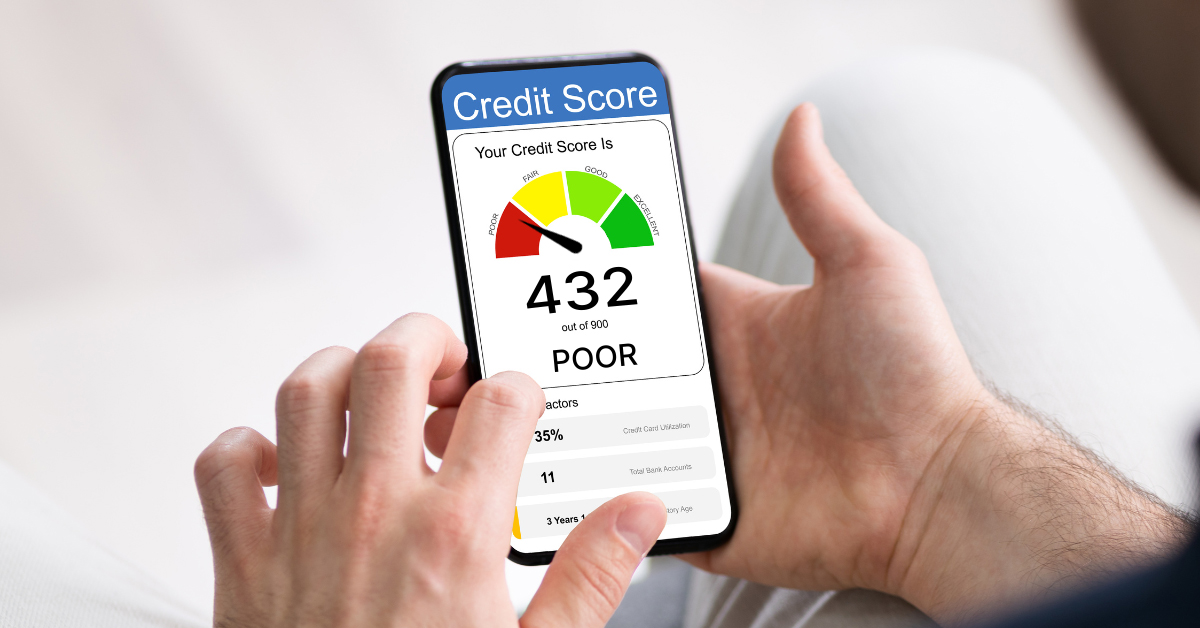
Feeling buried under a mountain of debt? The idea of debt settlement can seem like a lifeline, a way to finally breathe again. But before you jump in, it's crucial to understand the long-term consequences, especially when it comes to your credit score.
Let's face it: overwhelming debt can impact your mental health and create stress in many areas of life. It feels like there's no way out. You might be wondering if debt settlement is a viable option, but what price will you pay later down the road?
Debt settlementwillnegatively impact your credit score, both immediately and potentially for years to come. Settling debts for less than what you originally owed will be reported to credit bureaus. This can remain on your credit report for up to seven years, making it harder to obtain loans, mortgages, or even rent an apartment in the future. The severity and duration of the impact depend on factors like how much debt you settle, your credit history before settlement, and how well you manage your finances afterward.
In short, debt settlement offers short-term relief at the cost of long-term credit damage. Settled accounts stay on your credit report for up to seven years. It's important to be aware of the repercussions. Managing your credit wiselyafterdebt settlement is important to rebuilding your creditworthiness. Remember, debt settlement isn't a quick fix, it's a calculated decision with lasting credit score implications.
Understanding the Immediate Impact on Your Credit Score
The moment you start down the path of debt settlement, your credit score will likely take a hit. This isn't something that happens months down the line; it's an immediate consequence. I remember helping a friend, Sarah, navigate her debt challenges a few years back. She was drowning in credit card debt and saw debt settlement as her only option. She researched different companies and finally enrolled. The moment she started negotiating with her creditors, her credit score plummeted. She was shocked! She knew it would go down, but she didn't realize how quickly and drastically it would happen. The reason for this is simple: debt settlement often involves missing payments or making reduced payments, both of which are major red flags for creditors and are promptly reported to credit bureaus. A "settled" status on your credit report signifies that you didn't fulfill the original agreement, marking you as a higher-risk borrower. This translates into lower credit scores, higher interest rates on future loans, and potential difficulties in obtaining credit in the future. The immediate impact stems from the negative reporting of late or partial payments, and the settled status itself. It is crucial to be prepared for this initial drop and to have a plan for rebuilding your credit afterward.
How Long Does the Negative Impact Last?
The "settled" status on your credit report will linger for up to seven years from the date of the original delinquency (the first missed payment). This doesn't mean your credit score will be crippled for the entire seven years, but itwillbe a factor that lenders consider. The older the settled debt gets, the less weight it carries. Think of it like a bruise: it's dark and painful at first, but gradually fades over time. However, it's still visible, and it serves as a reminder. During those seven years, responsible credit management is essential to counteract the negative effects of the debt settlement. This includes making all other payments on time, keeping credit card balances low, and avoiding opening new accounts unless absolutely necessary. Over time, positive credit behavior can help to dilute the impact of the settled debt and gradually improve your credit score. It's a marathon, not a sprint, and consistent effort is key to regaining your creditworthiness.
Myths and Misconceptions About Debt Settlement and Credit Scores
One common misconception is that once the debt is settled, the negative impact on your credit score disappears. This is simply not true. While settling the debt is a positive step toward financial recovery, the record of the settlement remains on your credit report for the full seven years. Another myth is that debt settlement is a "quick fix" for credit problems. While it can provide immediate relief from overwhelming debt, it's important to recognize that it's a process that requires time and effort to rebuild your credit afterward. Some people also believe that all debt settlement companies are created equal. In reality, there are reputable companies that provide valuable services, but there are also unscrupulous ones that may make false promises or charge exorbitant fees. It's crucial to do your research and choose a reputable company with a proven track record. Finally, some believe that debt settlement is the only option for dealing with debt. In reality, there are other alternatives, such as credit counseling, debt management plans, and even bankruptcy, which may be more suitable depending on your individual circumstances. It's important to explore all your options before making a decision.
The Hidden Secret: Credit Score Rebuilding Strategies Post-Settlement
The real key to minimizing the long-term damage of debt settlement lies in what you doafterthe settlement is complete. This is where many people drop the ball, assuming that once the debt is settled, their credit will automatically recover. However, rebuilding your credit requires a proactive and strategic approach. One of the most effective strategies is to become an authorized user on a credit card held by a responsible friend or family member. This allows you to benefit from their positive credit history without actually opening a new account. Another strategy is to secure a secured credit card. This requires a cash deposit as collateral, but it can be a great way to establish a positive credit history. Make sure to use the card responsibly and pay your balance on time each month. Additionally, consider taking out a credit-builder loan. These loans are specifically designed to help people with bad credit rebuild their credit scores. Finally, monitor your credit report regularly and dispute any inaccuracies or errors. By implementing these strategies and consistently practicing responsible credit habits, you can significantly accelerate the rebuilding process and minimize the long-term negative impact of debt settlement on your credit score.
Recommendations for Navigating Debt Settlement Wisely
Before diving into debt settlement, carefully consider all your options and explore alternatives like credit counseling or debt management plans. Talk to a financial advisor to understand the pros and cons of each approach. If you decide debt settlement is the right path for you, choose a reputable company with a proven track record. Look for companies that are accredited by the Better Business Bureau and have positive reviews from past clients. Be wary of companies that make unrealistic promises or charge excessive fees. Read the fine print of any agreement carefully before signing anything. Once you're in the debt settlement program, stay organized and keep track of all your payments and communications with the debt settlement company and your creditors. Make sure you understand the potential tax implications of debt settlement, as forgiven debt may be considered taxable income. Finally, focus on rebuilding your credit after the settlement is complete by practicing responsible credit habits and implementing the strategies we discussed earlier. By taking these steps, you can navigate the debt settlement process wisely and minimize the long-term negative impact on your credit score.
The Role of Credit Utilization in Post-Settlement Recovery
Credit utilization, which is the amount of credit you're using compared to your total available credit, plays a significant role in rebuilding your credit score after debt settlement. Keeping your credit utilization low, ideally below 30%, demonstrates to lenders that you're a responsible borrower who doesn't rely too heavily on credit. This can significantly boost your credit score and help you qualify for better interest rates and terms on future loans. For example, if you have a credit card with a $1,000 limit, try to keep your balance below $300. Regularly monitoring your credit utilization and making payments to keep it low is an important step in the recovery process. Furthermore, consider requesting a credit limit increase on your existing credit cards, as this can also help lower your credit utilization ratio. However, be careful not to overspend just because you have a higher credit limit. The key is to use credit responsibly and manage your spending wisely.
Actionable Tips to Minimize Long-Term Damage
The first step to minimizing long-term credit damage is to understand your credit report and credit scorebeforestarting debt settlement. This will give you a baseline to compare against as you move through the process. Obtain a copy of your credit report from each of the three major credit bureaus (Equifax, Experian, and Trans Union) and check for any errors or inaccuracies. Dispute any errors you find, as correcting them can immediately improve your credit score. Next, create a budget and stick to it. This will help you avoid accumulating new debt and ensure that you can make all your payments on time. Automate your bill payments to avoid missing deadlines. Consider setting up automatic payments from your bank account for all your credit cards and other bills. This will ensure that you never miss a payment and avoid late fees, which can negatively impact your credit score. Finally, be patient and persistent. Rebuilding your credit after debt settlement takes time and effort, but it's definitely possible. Stay focused on your goals and don't get discouraged by setbacks. Celebrate your successes along the way and keep moving forward.
Understanding the Impact on Different Credit Scoring Models
It's important to realize that different credit scoring models, such as FICO and Vantage Score, may weigh the information on your credit report differently. This means that the impact of debt settlement on your credit score may vary depending on the model being used. FICO is the most widely used credit scoring model by lenders, so it's important to understand how debt settlement affects your FICO score. Vantage Score is a newer model that is gaining popularity, so it's also worth keeping an eye on your Vantage Score. Some models may place more emphasis on recent credit activity, while others may give more weight to older information. Additionally, different models may have different thresholds for what is considered a "good" or "bad" credit score. By understanding the nuances of different credit scoring models, you can get a more complete picture of your creditworthiness and tailor your credit rebuilding strategies accordingly. Furthermore, some credit monitoring services provide scores based on specific scoring models, allowing you to track your progress using the model that's most relevant to your financial goals.
Fun Facts About Debt Settlement and Credit
Did you know that debt settlement is not regulated by a federal agency? This means that there is no single government body overseeing the industry, which is why it's so important to choose a reputable company. Another fun fact is that the IRS may consider forgiven debt as taxable income. This means that you may have to pay taxes on the amount of debt that was forgiven through debt settlement. Also, debt settlement companies often use negotiation tactics that are similar to those used in other industries, such as real estate or car sales. They may start with a low offer and gradually increase it until they reach an agreement with the creditor. Finally, the success rate of debt settlement programs varies depending on several factors, including the amount of debt, the creditor, and the negotiating skills of the debt settlement company. It's important to have realistic expectations and understand that there is no guarantee of success.
How to Choose a Reputable Debt Settlement Company
Choosing the right debt settlement company is crucial to minimizing the risks and maximizing the potential benefits of debt settlement. Start by researching different companies online and reading reviews from past clients. Look for companies that are accredited by the Better Business Bureau and have a good reputation. Be wary of companies that make unrealistic promises or charge excessive fees. Check the company's licensing and accreditation to ensure they are legitimate and comply with all applicable regulations. Ask for a detailed explanation of the company's fees and how they are calculated. Avoid companies that charge upfront fees before any debt is settled. Make sure the company has a clear and transparent process for communicating with you and your creditors. They should provide regular updates on the progress of your case and be responsive to your questions and concerns. Get everything in writing, including the terms of the agreement, the fees, and the estimated timeline. Review the contract carefully before signing anything. Finally, trust your gut. If something feels off or too good to be true, it probably is. Don't be afraid to walk away and find a different company.
What If Debt Settlement Isn't Right For You?
If debt settlement doesn't feel like the right fit for your situation, there are several other options to consider. Credit counseling is a great option for getting personalized advice and developing a debt management plan. A credit counselor can help you understand your financial situation, create a budget, and negotiate with your creditors. Debt management plans involve making monthly payments to a credit counseling agency, which then distributes the funds to your creditors. This can help you consolidate your debts and lower your interest rates. Bankruptcy is another option, but it should be considered as a last resort. Bankruptcy can provide immediate relief from debt, but it can also have a significant negative impact on your credit score. It's important to understand the different types of bankruptcy and the implications of each. Finally, consider negotiating directly with your creditors. You may be able to negotiate a lower interest rate, a payment plan, or even a lump-sum settlement. Don't be afraid to reach out to your creditors and see what options are available to you. They may be more willing to work with you than you think.
Listicle: 5 Ways to Bounce Back After Debt Settlement
1. Create a Budget: Develop a detailed budget to track income and expenses, ensuring you live within your means and avoid accumulating new debt.
2. Rebuild Credit: Secure a secured credit card or credit-builder loan to establish a positive payment history and demonstrate creditworthiness.
3. Monitor Credit Report: Regularly check your credit report for errors and inaccuracies, disputing any issues promptly to maintain an accurate credit profile.
4. Pay Bills On Time: Automate bill payments to avoid late fees and ensure all obligations are met on time, contributing to a positive credit history.
5. Seek Financial Advice: Consult with a financial advisor for personalized strategies to manage debt, rebuild credit, and achieve long-term financial stability.
Question and Answer
Q: How much will my credit score drop after debt settlement?
A: The exact drop varies, but expect a significant decrease, potentially 100 points or more, depending on your initial score and debt amount.
Q: How soon can I start rebuilding my credit after debt settlement?
A: Immediately! Start by establishing positive payment habits and exploring credit-building tools like secured credit cards.
Q: Will debt settlement affect my ability to get a mortgage in the future?
A: Yes, it can make it harder to qualify, especially in the first few years. Lenders see it as a higher risk. Focus on rebuilding your credit to improve your chances.
Q: Are there alternatives to debt settlement that won't hurt my credit as much?
A: Yes, credit counseling and debt management plans are less damaging alternatives. Consider exploring those options first.
Conclusion of How Debt Settlement Affects Your Credit Score Long Term
Debt settlement can be a helpful tool for managing overwhelming debt, but it's essential to enter the process with a clear understanding of the potential consequences for your credit score. The impact can be significant and long-lasting, affecting your ability to access credit for years to come. However, by taking proactive steps to rebuild your credit after settlement, you can minimize the damage and regain your financial footing. Remember, knowledge is power, and by understanding the complexities of debt settlement and its impact on your credit, you can make informed decisions that will help you achieve your financial goals.
Post a Comment