Debt Settlement Final Payment: Complete the Process
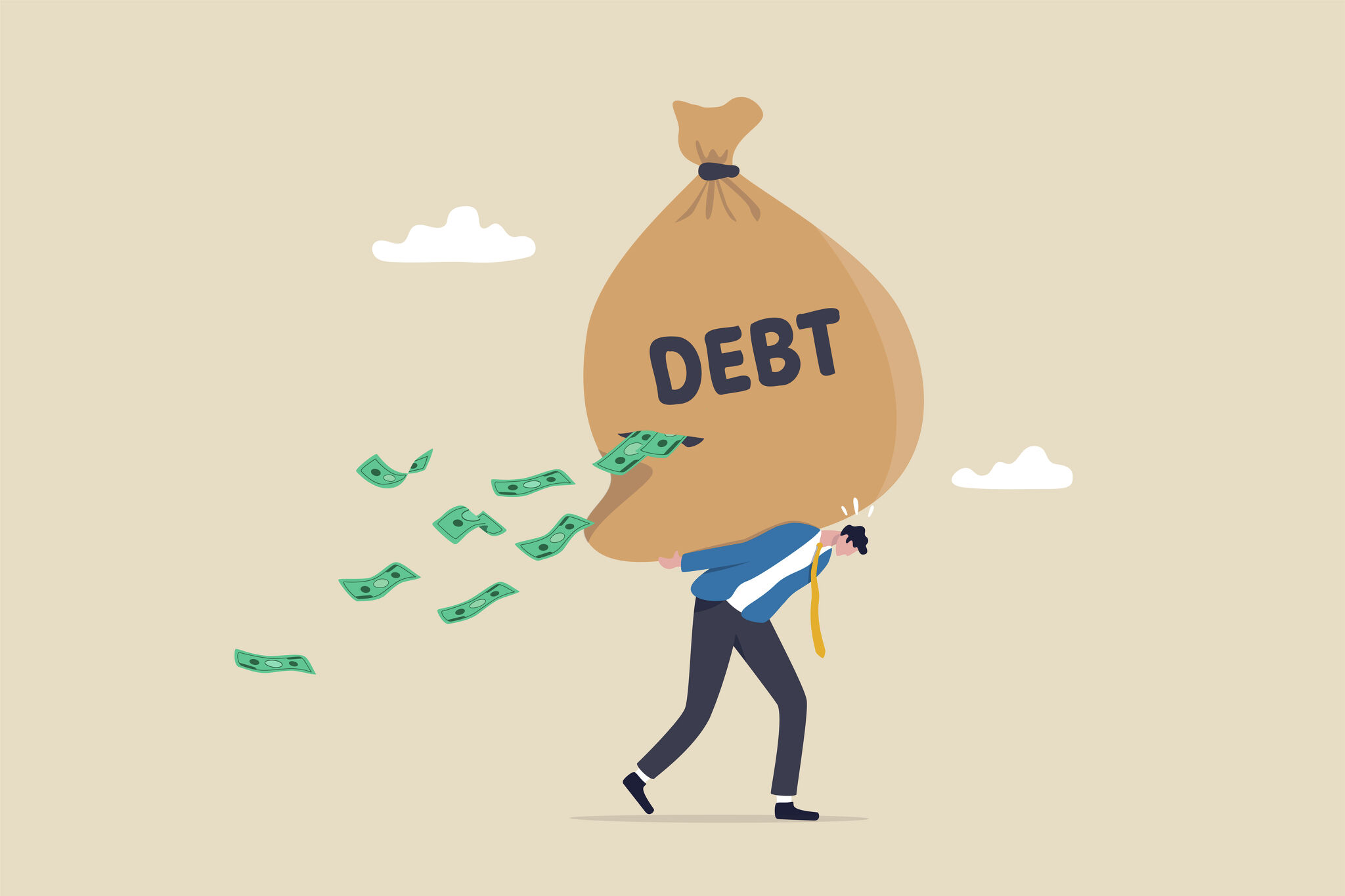
Imagine finally seeing the light at the end of a long, dark tunnel. That's what completing your debt settlement program feels like. But before you celebrate, there's one crucial step: making that final payment and ensuring everything is handled correctly. This last step is just as important as all the others.
The journey through debt settlement can be stressful. You've likely navigated confusing paperwork, worried about your credit score, and made tough financial decisions along the way. You're so close to being debt-free, and the thought of something going wrong at the very end can be overwhelming.
This blog post will guide you through the final payment process in your debt settlement program. We'll cover what to expect, how to ensure everything is done correctly, and what to do if you encounter any issues. Let's make sure you cross that finish line with confidence!
We'll explore the critical steps of finalizing your debt settlement, from understanding the settlement agreement to verifying the debt is indeed settled and reporting to credit bureaus. This journey to debt freedom requires careful attention to detail, and we're here to provide the guidance you need. We'll also touch upon the importance of securing documentation and understanding your rights to ensure a smooth transition to a debt-free future. Get ready to celebrate – you've earned it!
Understanding Your Settlement Agreement
I remember the day I signed my debt settlement agreement. I felt a mix of relief and anxiety. Relief that I had a plan to tackle my overwhelming debt, but anxiety about whether I could actually stick to it. The agreement itself was dense, filled with legal jargon that made my head spin. It wasn't until I sat down with a financial advisor who walked me through each section that I truly understood what I was signing up for. Now, when it comes to the final payment, your settlement agreement is like the roadmap to ensure you complete the process correctly. It outlines the agreed-upon settlement amount, the payment schedule, and any specific conditions that must be met. Before making your final payment, carefully review the agreement to confirm the exact amount due. Double-check for any outstanding fees or charges. Pay close attention to the payment instructions. The agreement will specify how to make the payment (e.g., check, money order, electronic transfer) and where to send it. Don't deviate from these instructions, as it could delay or complicate the process. The settlement agreement details the conditions for successful completion, so read carefully.
Verifying the Debt is Settled
Verifying that the debt is settled is the crucial next step in your debt settlement journey. After making your final payment, don't assume the process is automatically complete. You need to proactively verify that the creditor has indeed marked the debt as settled. Start by requesting a written confirmation of the settlement from the creditor. This letter should clearly state that the debt has been settled in full and that you owe no further amount. It should also include the original account number and the date of the settlement. Keep this letter in a safe place, as it's your proof of settlement. It's also wise to monitor your credit report. After the settlement is finalized, the creditor should update your credit report to reflect the settled status. This may take a few weeks or months, so be patient but diligent. If you notice any discrepancies, such as the debt still showing as outstanding or the balance not being updated, contact the creditor immediately. Provide them with a copy of your settlement agreement and the payment confirmation. Keep detailed records of all communication with the creditor, including dates, names of representatives, and the content of your conversations. You may need these records if you need to dispute the information with the credit bureaus.
Reporting to Credit Bureaus
Debt settlement has a somewhat complicated history. It's not a new concept, but it's evolved significantly over the years. In the past, some debt settlement companies operated with questionable practices, leading to consumer distrust and regulatory scrutiny. Myths surrounding debt settlement often include the idea that it's a quick fix or a guaranteed solution to debt problems. However, the reality is that debt settlement requires discipline, commitment, and a clear understanding of the potential consequences. One common misconception is that debt settlement will not affect your credit score. While it can help you avoid bankruptcy, it will likely have a negative impact on your credit rating. The settled debt will still appear on your credit report, albeit with a lower balance. Over time, the negative impact will diminish, but it's important to be aware of it upfront. As part of finalizing your debt settlement, reporting to credit bureaus is paramount. After verifying that the debt is settled, ensure that the creditor reports the updated status to the three major credit bureaus: Experian, Equifax, and Trans Union. This process ensures that your credit report accurately reflects the settled debt and prevents any future collection attempts. You can also contact the credit bureaus directly to confirm that the information has been updated. If you find any inaccuracies, you have the right to dispute them.
Securing Documentation
Debt settlement involves negotiations with creditors to reduce the amount you owe. The "hidden secret" lies in understanding how these negotiations work and how to leverage them to your advantage. Creditors may be willing to settle for less than the full amount owed for several reasons. First, they may prefer to receive a portion of the debt rather than risk receiving nothing if you file for bankruptcy. Second, they may incur significant costs in pursuing legal action to collect the debt. Third, they may simply want to clear their books of delinquent accounts. Knowing these motivations can empower you to negotiate more effectively. When negotiating with creditors, be polite but firm. Explain your financial situation and why you're unable to pay the full amount. Be prepared to provide supporting documentation, such as bank statements and pay stubs. Emphasize your willingness to make regular payments, even if it's less than the original amount. Remember that the goal is to reach a mutually agreeable settlement that allows you to get out of debt while minimizing the creditor's losses. When you finalize your debt settlement, you must secure documentation. Gather and organize all relevant documents, including the settlement agreement, payment receipts, and the written confirmation from the creditor that the debt has been settled. Store these documents in a safe place, both physically and digitally. These documents are your proof that you have fulfilled your obligations under the debt settlement agreement. You may need them in the future if you encounter any disputes or need to verify your credit history.
Understanding Your Rights
When navigating the world of debt settlement, it's essential to be an informed consumer and know your rights. The Fair Debt Collection Practices Act (FDCPA) is a federal law that protects you from abusive, deceptive, and unfair debt collection practices. Under the FDCPA, debt collectors are prohibited from harassing you, making false or misleading statements, or threatening legal action that they cannot or do not intend to take. They must also provide you with certain information about the debt, such as the name of the creditor, the amount of the debt, and your right to dispute the debt. If you believe that a debt collector has violated your rights under the FDCPA, you can file a complaint with the Federal Trade Commission (FTC) or your state attorney general. You may also be able to sue the debt collector in federal court. Remember that you have the right to request verification of the debt. This means that the debt collector must provide you with documentation that proves you owe the debt. You also have the right to request that the debt collector stop contacting you. To do this, you must send a written request to the debt collector. Once they receive your request, they can only contact you to confirm that they have received your request and to inform you that they will no longer contact you. And now, let's talk about debt settlement final payment: Complete the Process. Understanding your rights as a consumer is essential to ensuring a smooth and fair debt settlement process. Familiarize yourself with the Fair Debt Collection Practices Act (FDCPA) and other relevant consumer protection laws. Know your rights when dealing with debt collectors and creditors. If you believe that your rights have been violated, don't hesitate to seek legal advice.
Avoiding Common Pitfalls
Debt settlement can be a complex process, and there are several pitfalls that you should be aware of. One common mistake is failing to fully understand the terms of the settlement agreement. Make sure you read the agreement carefully and ask questions if anything is unclear. Another pitfall is making payments late or missing payments altogether. This can jeopardize your settlement agreement and result in the debt being reinstated. It's also important to be wary of debt settlement companies that make unrealistic promises or charge excessive fees. Do your research and choose a reputable company with a proven track record. Be cautious of companies that ask for upfront fees or guarantee specific results. One of the biggest pitfalls is not budgeting properly and failing to save enough money to make the final payment. Make sure you have a realistic budget and a plan to save the necessary funds. Another mistake is not verifying that the debt is settled after making the final payment. As we discussed earlier, it's crucial to request written confirmation from the creditor and monitor your credit report. A clear understanding of what the settlement entail is a must. Make sure that you are aware of what the payment cover and all the clauses in the settlement agremeent.
Tips for a Smooth Final Payment
Making your final payment in a debt settlement program should be a cause for celebration, not stress. Here are some tips to ensure a smooth and hassle-free experience: Plan Ahead: Start saving for your final payment well in advance. Don't wait until the last minute to scramble for funds. Communicate with Your Debt Settlement Company: Keep your debt settlement company informed of your progress. Let them know when you're approaching your final payment. Review Your Settlement Agreement: Double-check your settlement agreement to confirm the exact amount due and the payment instructions. Use a Secure Payment Method: Make your final payment using a secure method, such as a certified check, money order, or electronic transfer. Avoid paying in cash. Keep Records: Keep detailed records of your final payment, including the date, amount, and payment method. Obtain Confirmation: Request written confirmation from the creditor that the debt has been settled. Monitor Your Credit Report: Monitor your credit report to ensure that the settled debt is accurately reflected. By following these tips, you can ensure that your final payment goes smoothly and that you successfully complete your debt settlement program.
The Emotional Impact of Debt Settlement
Debt can take a heavy toll on your emotional well-being. It can lead to stress, anxiety, depression, and feelings of shame and guilt. Debt settlement can provide a sense of relief and hope, but it can also be an emotional roller coaster. The negotiation process can be stressful, and the impact on your credit score can be discouraging. It's important to acknowledge and address the emotional impact of debt settlement. Seek support from friends, family, or a therapist. Practice self-care activities, such as exercise, meditation, or spending time in nature. Celebrate your progress along the way, even the small victories. Remember that you're not alone in this journey. Millions of people struggle with debt, and there are resources available to help you cope with the emotional challenges. Recognize that settling debt has a big emotional impact, and seek guidance if needed.
Fun Facts About Debt Settlement
Did you know that debt settlement has been around for centuries? In ancient times, debtors were often imprisoned or even enslaved. Debt relief programs have evolved significantly over time, with the introduction of bankruptcy laws and consumer protection regulations. Here are some more fun facts about debt settlement: The First Credit Card: The first credit card was introduced in the 1950s. Debt Settlement vs. Bankruptcy: Debt settlement is an alternative to bankruptcy, but it's not always the best option. The Largest Debt: The largest debt in the world is the national debt of the United States. The Most Common Type of Debt: The most common type of debt is credit card debt. Debt and Stress: Studies have shown that debt can have a significant impact on your mental and physical health. These fun facts highlight the prevalence and impact of debt in our society. Debt settlement can be a viable solution for some individuals, but it's important to weigh the pros and cons carefully. So debt settlement offers a lot funs, but careful before you join. A quick search on the web will guide you.
How to Report Finalized Debt Settlement
Reporting a finalized debt settlement is a crucial step in ensuring your credit report accurately reflects the outcome of your negotiations. Once you have received written confirmation from the creditor that the debt has been settled, you need to take steps to ensure that the credit bureaus are notified. You can start by contacting the creditor directly and requesting that they report the updated status to the three major credit bureaus: Experian, Equifax, and Trans Union. Provide them with a copy of your settlement agreement and the written confirmation. You can also contact the credit bureaus directly and submit a dispute. You'll need to provide them with documentation to support your claim. The credit bureaus will then investigate your dispute and contact the creditor to verify the information. If the creditor confirms that the debt has been settled, the credit bureau will update your credit report accordingly. It's important to monitor your credit report regularly to ensure that the information is accurate. If you find any errors, you should dispute them immediately.
What if the Creditor Doesn't Report the Debt Settlement?
It's frustrating when a creditor fails to report a debt settlement to the credit bureaus, even after you've fulfilled your obligations. This can negatively impact your credit score and hinder your ability to obtain credit in the future. So, what can you do if this happens? First, contact the creditor directly and remind them of their obligation to report the settlement. Provide them with a copy of your settlement agreement and the written confirmation that the debt has been settled. If the creditor still refuses to report the settlement, you can file a dispute with the credit bureaus. You'll need to provide them with documentation to support your claim, such as the settlement agreement, the written confirmation, and proof of payment. The credit bureaus will then investigate your dispute and contact the creditor to verify the information. If the creditor fails to respond or provides inaccurate information, the credit bureau will likely remove the debt from your credit report. If the debt is not removed, you may need to consider legal action. Consult with an attorney to discuss your options.
Listicle: 5 Things to Do After Your Final Debt Settlement Payment
Congrats! You've made your final debt settlement payment. Now what? Here are 5 crucial steps to take: Get Written Confirmation: Always, always get it in writing that the debt is settled in full. Monitor Your Credit Report: Keep a close eye on your credit report for any inaccuracies and dispute them promptly. Save All Documentation: Store your settlement agreement and proof of payment securely. Celebrate Your Success: You deserve it! Treat yourself (responsibly, of course). Rebuild Your Credit: Start implementing strategies to improve your credit score over time. These simple steps can help you solidify your debt-free status and move towards a brighter financial future.
Question and Answer
Q: How long does it take for my credit report to update after my final payment?
A: It typically takes 30-60 days for creditors to report updates to credit bureaus. Be patient but proactive in monitoring your report.
Q: What happens if I can't afford my final debt settlement payment?
A: Contact your debt settlement company immediately. They may be able to negotiate a revised payment plan or explore alternative options.
Q: What kind of documentation should I keep after completing debt settlement?
A: Keep your settlement agreement, payment receipts, and any written communication from the creditor or debt settlement company.
Q: Will debt settlement completely erase the negative impact on my credit score?
A: While it settles the debt for less than you owe, it will still reflect on your credit report and may have a negative impact. However, the impact lessens over time as you rebuild your credit.
Conclusion of Debt Settlement Final Payment: Complete the Process
Successfully navigating the final payment of your debt settlement program requires diligence and attention to detail. From understanding your settlement agreement to verifying the debt is settled and reporting to credit bureaus, each step is crucial in securing your financial future. By following the tips and guidelines outlined in this post, you can confidently complete the process and move forward towards a debt-free life. Remember to understand your rights, keep thorough documentation, and monitor your credit report regularly. Congratulations on reaching this significant milestone!
Post a Comment