Debt Settlement Company Complaints: Red Flags to Avoid
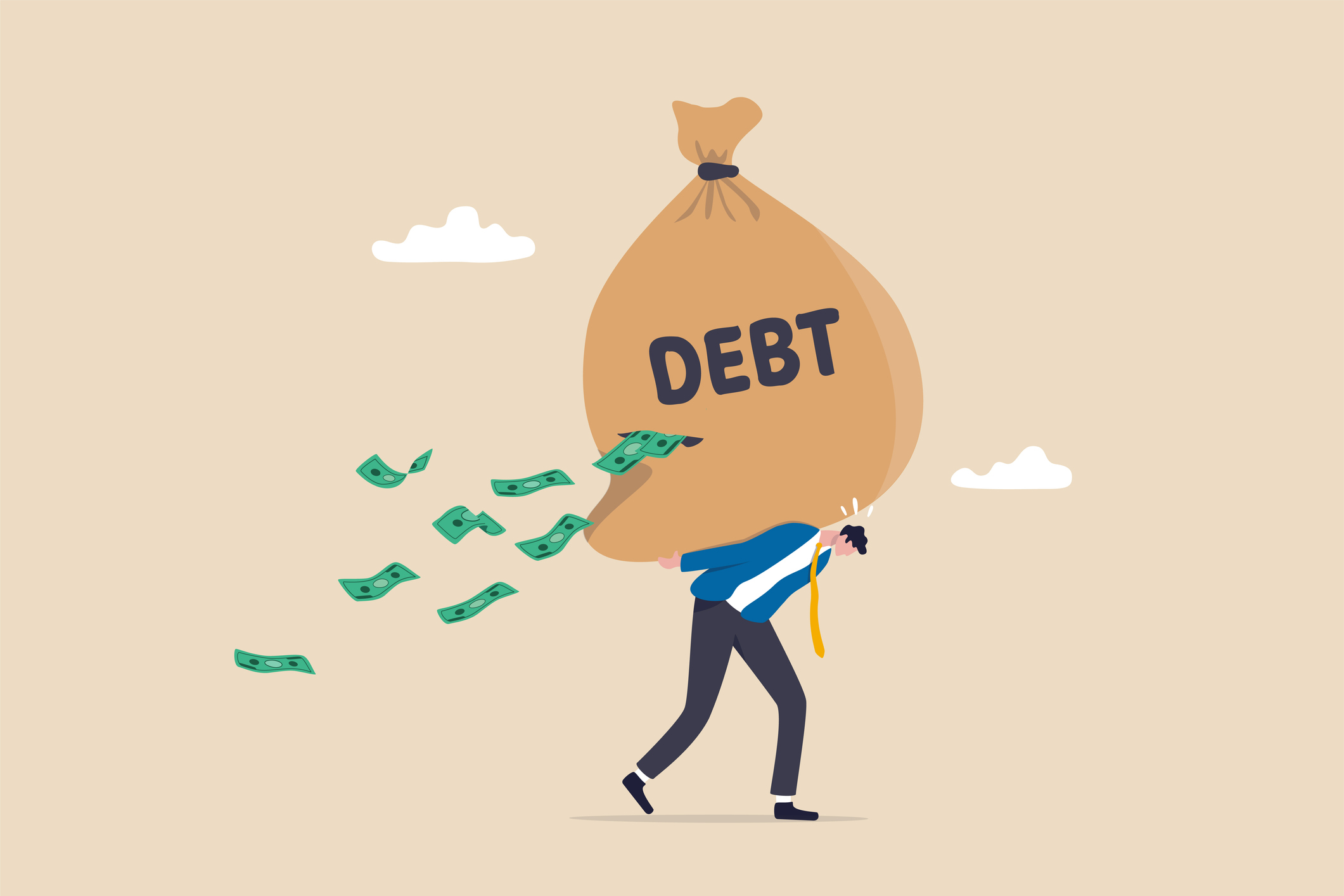
Feeling buried under a mountain of debt? The promise of debt settlement can seem like a lifeline, offering a path to financial freedom. But before you sign on the dotted line, it's crucial to understand that not all debt settlement companies are created equal. Some may leave you in a worse situation than when you started, facing even more debt and damaged credit.
Imagine the frustration of paying fees to a company that makes empty promises, or the despair of finding yourself deeper in debt because of their actions. The stress and anxiety of dealing with aggressive debt collectors can be overwhelming, especially when you thought you were finally on the road to recovery.
This guide is designed to help you navigate the often-murky waters of debt settlement and identify the red flags that signal a potentially problematic company. By understanding these warning signs, you can protect yourself from scams and make informed decisions about your financial future.
Navigating debt settlement requires caution. Be wary of companies demanding upfront fees, making unrealistic promises of drastically reduced debt, or lacking transparency in their processes. Thoroughly research any company before entrusting them with your financial well-being. Look for indicators like lack of accreditation, negative customer reviews, and high-pressure sales tactics. Debt settlement, when done right, can offer relief, but vigilance is key to avoiding scams and making informed financial choices. This article focuses on spotting those red flags and safeguarding your financial future.
Upfront Fees: A Major Red Flag
The first, and arguably the most significant, red flag is the demand for upfront fees. I remember when a friend, Sarah, was considering debt settlement. She was so overwhelmed with her credit card debt that she was willing to try anything. She spoke to a company that immediately asked for a large upfront payment before even reviewing her debt or explaining their strategy. Thankfully, I had heard warnings about this practice. It felt instinctively wrong to me that they would demand money before providing any actual service. We did some digging and discovered that it’s actually illegal for debt settlement companies to charge upfront fees in many states. This is because these fees often line the pockets of the company while leaving consumers with little to no actual debt relief. Sarah dodged a bullet by recognizing this red flag and seeking help elsewhere. A legitimate debt settlement company should only charge fees after they have successfully negotiated and settled your debt. They get paid when you get results, aligning their interests with yours. Companies demanding large upfront fees are often more interested in taking your money than actually helping you get out of debt. This practice is a huge red flag, often indicating a scam or a company that is not operating ethically. Always research a company’s fee structure thoroughly and be wary of any upfront costs.
Unrealistic Promises: Too Good to Be True?
If a debt settlement company promises to eliminate a substantial portion of your debt without even reviewing your financial situation, proceed with extreme caution. The truth is, settling debt requires negotiation, and the amount you can realistically save depends on a variety of factors, including your debt amount, your creditors, and your financial circumstances. A legitimate debt settlement company will thoroughly assess your situation before providing you with a realistic estimate of potential savings. Debt negotiation is a complex process, and results are never guaranteed. Making promises that seem too good to be true is a common tactic used by fraudulent companies to lure in desperate consumers. They might claim they can eliminate 70% or even 80% of your debt, which is highly unlikely in most cases. Before working with a debt settlement company, always get a realistic estimate of potential savings and understand the risks involved. Remember, if it sounds too good to be true, it probably is. Look for transparency and a clear explanation of the debt settlement process, not just empty promises.
Lack of Transparency: Hiding the Details
A reputable debt settlement company will be transparent about its fees, processes, and potential risks. If a company is evasive about these details or refuses to provide clear explanations, it's a major red flag. They should be willing to answer your questions honestly and provide you with a written agreement outlining their services, fees, and your responsibilities. One of the most concerning things about a lack of transparency is that it can leave you vulnerable to hidden fees and unexpected costs. You might think you're getting a good deal, but then find yourself saddled with additional charges you weren't aware of. Always ask for a detailed breakdown of all fees and costs associated with the debt settlement program. Ensure you understand how the company makes money and what services you are actually paying for. If a company is unwilling to provide this information, it's a sign that they may be trying to hide something. Don't be afraid to ask tough questions and demand clear, straightforward answers.
Aggressive Sales Tactics: High-Pressure to Sign Up
Be wary of debt settlement companies that use high-pressure sales tactics to pressure you into signing up immediately. A legitimate company will allow you time to research your options and make an informed decision without feeling rushed or pressured. They should be willing to answer your questions patiently and provide you with all the information you need to make a confident choice. Aggressive sales tactics often involve creating a sense of urgency or scarcity, such as claiming that the offer is only available for a limited time or that you'll miss out on significant savings if you don't sign up right away. This is a classic manipulation tactic used to prevent you from thinking critically and doing your due diligence. Remember, debt settlement is a serious decision that can have long-term consequences for your financial future. Don't let anyone pressure you into making a hasty decision. Take your time, compare your options, and choose a company that you feel comfortable with.
Research the Company: Look for Red Flags
Accreditation and Reviews: What Others Are Saying
Before entrusting your financial future to a debt settlement company, take the time to research its reputation and track record. Check with the Better Business Bureau (BBB) to see if the company is accredited and to read customer reviews. Look for any patterns of complaints or negative feedback, such as issues with hidden fees, poor customer service, or failure to deliver on promises. Pay attention to how the company responds to complaints and whether they seem to be genuinely committed to resolving customer issues. Online reviews can also be a valuable source of information. Check review sites like Yelp, Google Reviews, and Trustpilot to get a sense of what other consumers have experienced with the company. Be aware that some companies may try to manipulate reviews by posting fake positive reviews or suppressing negative ones. Look for reviews that are detailed and specific, and consider the overall tone and sentiment of the reviews. A company with a consistently high number of positive reviews and a low number of complaints is generally a safer bet than one with a history of problems.
Check for Licensing: Are They Legitimate?
Debt settlement companies are often required to be licensed or registered in the states where they operate. Before working with a company, verify that they are properly licensed and in good standing with the relevant regulatory agencies. Contact your state's attorney general or consumer protection agency to inquire about the licensing requirements for debt settlement companies in your state. You can also check the company's website or contact them directly to ask about their licensing information. If a company is unwilling to provide this information or cannot provide proof of licensing, it's a major red flag. Working with an unlicensed debt settlement company can be risky because you have no guarantee that they are following industry regulations or ethical standards. You may also have limited recourse if you encounter problems or disputes with the company. Always prioritize companies that are transparent about their licensing and compliance and that are willing to provide you with proof of their credentials. Licensing ensures a base level of accountability and oversight.
State Regulations and Debt Settlement
Debt settlement laws vary from state to state. Understanding the specific regulations in your state is crucial before engaging with any debt settlement company. Some states may have stricter licensing requirements or consumer protections than others. For instance, some states prohibit debt settlement companies from charging upfront fees, while others may have limitations on the amount of fees they can charge. Contact your state's attorney general or consumer protection agency to learn about the debt settlement laws in your state. You can also find information on state websites dedicated to consumer protection. Being aware of your rights and protections as a consumer can help you make informed decisions and avoid scams. Don't hesitate to seek legal advice from a qualified attorney if you have any questions or concerns about debt settlement laws in your state. Understanding the legal landscape can empower you to protect yourself from unscrupulous practices and ensure that you are working with a reputable and compliant company. It is always better to be informed than caught off guard by legal technicalities.
Hidden Fees: Uncovering the True Cost
Debt settlement companies sometimes bury their true costs in hidden fees and charges. What seems like a good deal initially can quickly become expensive as you encounter unexpected expenses. Scrutinize the contract for terms like "maintenance fees," "service fees," or other vague charges. Ask for a complete breakdown of all fees involved, including when they are charged and how they are calculated. Be wary of companies that are reluctant to provide this information or that use confusing jargon. Hidden fees can significantly increase the overall cost of your debt settlement program and negate any potential savings. They can also make it difficult to budget and manage your finances. Always read the fine print carefully and ask clarifying questions before signing any agreement. Don't be afraid to walk away if you feel that the fees are unreasonable or if the company is not transparent about its pricing structure. Protecting yourself from hidden fees requires diligence and a commitment to understanding all the costs involved.
Debt Settlement Myths: Separating Fact from Fiction
One common myth is that debt settlement will quickly erase your debt. In reality, it's a process that takes time and requires discipline. Another myth is that it won't affect your credit score. While it can provide relief, your credit score may initially take a hit as you stop making payments on your accounts. Understanding these myths is crucial for setting realistic expectations. Debt settlement isn't a magic bullet. It requires you to stop making payments to your creditors, which will likely result in late payment fees, increased interest rates, and a negative impact on your credit score. It's also important to be aware that your creditors are not obligated to negotiate with the debt settlement company, and there's no guarantee that they will agree to reduce your debt. Before pursuing debt settlement, weigh the potential benefits against the risks and consider other options, such as debt management programs or credit counseling. Don't let false promises or unrealistic expectations cloud your judgment. Educate yourself about the realities of debt settlement and make an informed decision based on your individual circumstances.
Alternatives to Debt Settlement: Exploring Other Options
While debt settlement can be a viable option for some, it's not the only way to tackle debt. Explore alternatives like debt management plans, credit counseling, balance transfers, or even bankruptcy. Each option has its pros and cons, and the best choice depends on your specific situation. Debt management plans, offered by non-profit credit counseling agencies, can help you consolidate your debts and negotiate lower interest rates. Credit counseling can provide valuable financial education and help you develop a budget. Balance transfers can allow you to move high-interest debt to a card with a lower interest rate. Bankruptcy should be considered a last resort, but it can provide a fresh start for those who are overwhelmed by debt. Carefully research each option and seek professional advice to determine which approach is best suited to your needs. Don't rush into debt settlement without exploring all of your alternatives.
Question and Answer Section:
Q: What is the biggest red flag when considering a debt settlement company?
A: Demanding upfront fees is a major red flag. Legitimate companies usually charge fees only after they've successfully settled your debt.
Q: How can I research a debt settlement company's reputation?
A: Check with the Better Business Bureau (BBB), read online reviews, and verify their licensing with your state's attorney general or consumer protection agency.
Q: What are some alternatives to debt settlement?
A: Alternatives include debt management plans, credit counseling, balance transfers, and bankruptcy.
Q: What should I do if a debt settlement company pressures me to sign up immediately?
A: Be cautious. A reputable company will allow you time to research your options and make an informed decision without feeling rushed.
Conclusion of Debt Settlement Company Complaints: Red Flags to Avoid
Protecting yourself from debt settlement scams requires vigilance and informed decision-making. By recognizing red flags like upfront fees, unrealistic promises, and lack of transparency, you can avoid potentially harmful companies. Always research thoroughly, check for licensing, and explore alternatives before committing to a debt settlement program. Remember, your financial well-being is at stake, so take the time to make informed choices and seek professional advice when needed.
Post a Comment