Debt Management Guide for Young Professionals Starting Out
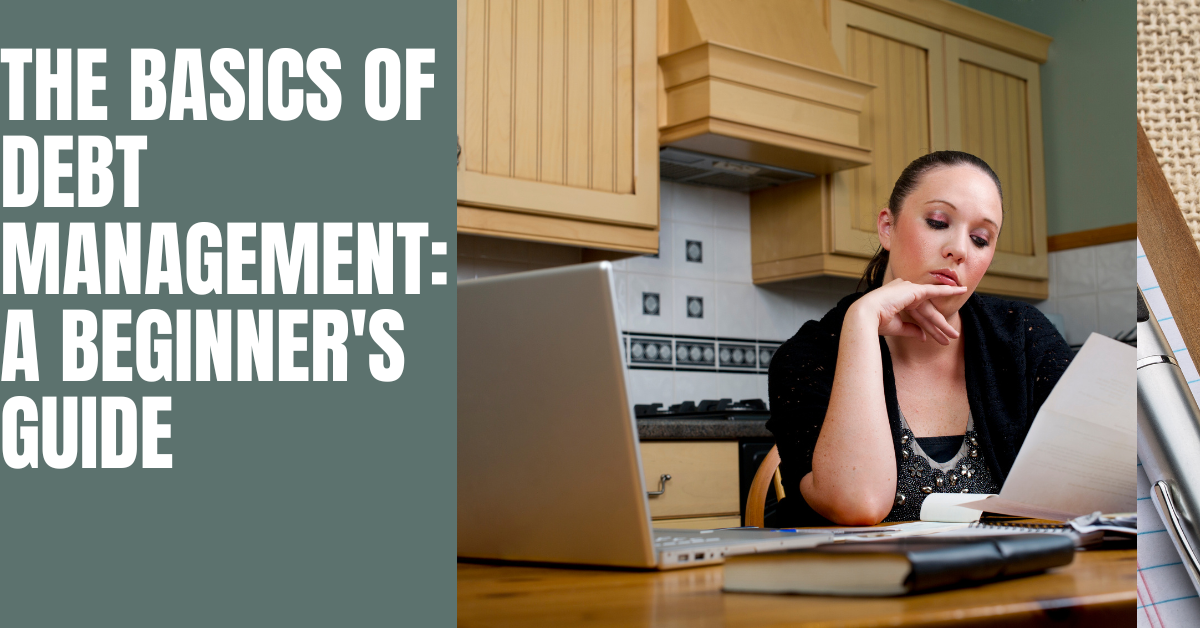
So, you've landed that first real job, congratulations! The excitement of a steady paycheck can be intoxicating, but it's also the perfect time to lay a solid foundation for your financial future. Don't let debt become a stumbling block on your path to success.
Are you feeling overwhelmed by student loans, credit card bills, or maybe even a car payment? Does the idea of budgeting make you cringe? You're not alone. Many young professionals find themselves grappling with debt early in their careers, often unsure where to turn for guidance.
This guide is designed to empower you, the young professional, with the knowledge and strategies to effectively manage your debt, build healthy financial habits, and pave the way for a brighter, debt-free future. We'll break down the complexities of debt management into easy-to-understand steps, providing practical tips and actionable advice.
We'll cover understanding your debt, creating a budget that works, exploring different repayment strategies like the debt snowball and debt avalanche methods, and the importance of building an emergency fund. We will debunk common debt myths, reveal lesser-known secrets to financial success, and offer practical tips to transform your relationship with money. Mastering debt management isn't just about crunching numbers; it's about gaining control, reducing stress, and setting yourself up for long-term financial well-being. Get ready to take charge of your finances!
Understanding Your Debt
Understanding your debt is the very first and probably the most important step. It’s not just knowing youhavedebt, but knowing exactly how much, the interest rates, and the terms of repayment. When I first graduated college, I avoided looking at my student loan statements. I knew I had loans, and frankly, it felt easier to ignore them. Big mistake! Once I finally faced the music and listed out every single debt I had – student loans, a small credit card balance, and a loan from a family member – the situation felt much more manageable. Suddenly, it wasn't this vague, looming threat, but a concrete problem with a concrete solution. Create a spreadsheet or use a debt tracking app to list out each debt, the outstanding balance, the interest rate, and the minimum monthly payment. Knowing these details is crucial for prioritizing your debts and choosing the most effective repayment strategy. This also means you can forecast when you will be done paying your dues. Understanding your debt gives you power. The power to face it, challenge it, and eventually conquer it. Ignoring it only allows it to grow and control you. Look into different repayment options and resources available to you. Many student loan providers, for example, offer income-driven repayment plans that can significantly lower your monthly payments if you qualify. Don't be afraid to ask for help! Understanding your debt also means understanding the fine print. Read the terms and conditions of your loans and credit cards carefully. Know the fees, the penalties, and the implications of late payments. This knowledge will empower you to make informed decisions and avoid costly mistakes.
Creating a Budget That Works
Budgeting is not about restriction; it's about empowerment. It's about telling your money where to go instead of wondering where it went. Many young professionals are put off by the idea of budgeting because they see it as a tedious and limiting exercise. But a well-designed budget is a powerful tool for achieving your financial goals. It allows you to track your income and expenses, identify areas where you can cut back, and allocate your resources strategically. There are tons of budgeting methods out there. The 50/30/20 rule, for instance, suggests allocating 50% of your income to needs, 30% to wants, and 20% to savings and debt repayment. You could also try the zero-based budget, where you allocate every dollar of your income to a specific purpose. The key is to find a method that aligns with your personality and lifestyle. Don't be afraid to experiment and adjust your budget as needed. Technology can be a great asset in budgeting. There are numerous budgeting apps available that can help you track your spending, set goals, and visualize your financial progress. Mint, YNAB (You Need a Budget), and Personal Capital are just a few examples. The most important thing is to be consistent and track your expenses regularly. Even small amounts of money can add up over time, and tracking your spending will help you identify areas where you can save.
Exploring Debt Repayment Strategies
There are several popular debt repayment strategies, each with its own advantages and disadvantages. Two of the most common are the debt snowball and the debt avalanche methods. The debt snowball method involves paying off your debts in order of smallest balance to largest, regardless of interest rate. This approach provides quick wins and can be highly motivating, especially if you're feeling overwhelmed by debt. Seeing those smaller balances disappear can give you the momentum you need to tackle the larger debts. The debt avalanche method, on the other hand, focuses on paying off debts with the highest interest rates first. This approach is mathematically the most efficient, as it minimizes the total amount of interest you'll pay over time. However, it can also be more challenging, as it may take longer to see noticeable progress. I favor the debt avalanche, myself. Beyond these two methods, consider debt consolidation. This involves taking out a new loan to pay off multiple existing debts. This can simplify your payments and potentially lower your interest rate, depending on the terms of the new loan. However, it's important to shop around for the best rates and be wary of fees. Another option is to explore balance transfer credit cards. These cards offer a promotional 0% interest rate for a limited time, allowing you to transfer high-interest debt and save on interest charges. However, be sure to pay off the balance before the promotional period ends, or you'll be hit with a high interest rate. No matter which strategy you choose, the key is to be consistent and persistent. Make extra payments whenever possible, and stay focused on your goal of becoming debt-free.
Building an Emergency Fund
Life is unpredictable, and unexpected expenses can derail even the best-laid financial plans. That's why it's crucial to build an emergency fund. An emergency fund is a savings account dedicated to covering unexpected expenses, such as medical bills, car repairs, or job loss. Aim to save at least three to six months' worth of living expenses in your emergency fund. This may seem like a daunting task, but even small amounts saved consistently can add up over time. Start by setting a realistic savings goal and automating your savings. Set up a recurring transfer from your checking account to your savings account each month. Even $25 or $50 per month can make a difference. Treat your emergency fund as a non-negotiable expense, just like rent or utilities. Resist the temptation to dip into it for non-emergency expenses. If you do have to use your emergency fund, make it a priority to replenish it as soon as possible. Building an emergency fund not only provides financial security but also reduces stress and anxiety. Knowing that you have a safety net to fall back on can give you peace of mind and allow you to focus on your other financial goals. While building an emergency fund, you can also look into low-risk investment options to increase your passive income. It's important to understand the risk-reward trade-off before diving into these options. Once you have a large enough emergency fund, you can explore other investments.
Debt Management Myth
One common debt management myth is that all debt is bad. While it's true that high-interest debt can be detrimental to your financial health, not all debt is created equal. For example, a mortgage can be a valuable asset, allowing you to build equity in your home over time. Similarly, student loans can be an investment in your future earning potential. The key is to manage debt responsibly and avoid taking on more than you can afford. Another myth is that you should always pay off your debt as quickly as possible. While it's generally a good idea to prioritize debt repayment, it's also important to consider other financial goals, such as saving for retirement or building an emergency fund. There's no one-size-fits-all approach to debt management, and the best strategy will depend on your individual circumstances. Another myth is that you can't improve your credit score if you have debt. In fact, responsible debt management can actually improve your credit score. Making timely payments, keeping your credit utilization low, and avoiding excessive credit applications can all boost your credit score over time. A good credit score is essential for accessing loans, credit cards, and even apartments at favorable rates. Finally, some people believe that debt management is only for people who are in serious financial trouble. However, debt management is a valuable skill for everyone, regardless of their financial situation. Learning how to budget, save, and manage debt responsibly can help you achieve your financial goals and build a secure future.
The Importance of Financial Literacy
Financial literacy is the foundation upon which sound debt management strategies are built. Without a solid understanding of personal finance principles, it's difficult to make informed decisions about borrowing, saving, and investing. Many young professionals enter the workforce with little to no financial education. This can lead to poor financial choices, such as accumulating excessive debt, failing to save for retirement, and falling prey to financial scams. Fortunately, there are many resources available to help you improve your financial literacy. Online courses, books, and workshops can provide valuable knowledge and skills. The key is to be proactive and seek out information that's relevant to your needs. Understanding concepts like compound interest, inflation, and risk management can empower you to make smarter financial decisions. Financial literacy also involves developing healthy money habits. This includes tracking your spending, budgeting regularly, and saving consistently. Small changes in your behavior can have a big impact on your financial well-being over time. Financial literacy is not a one-time event; it's a lifelong journey. As your financial situation changes, you'll need to continue learning and adapting. Stay informed about current financial trends and be prepared to adjust your strategies as needed. The more you know about personal finance, the better equipped you'll be to manage your debt, achieve your financial goals, and build a secure future.
Negotiating with Creditors
Don't be afraid to negotiate with your creditors. Many creditors are willing to work with you to create a more manageable repayment plan, especially if you're facing financial hardship. The key is to be proactive and contact them before you fall behind on your payments. Explain your situation honestly and clearly, and be prepared to provide documentation to support your claims. You may be able to negotiate a lower interest rate, a reduced monthly payment, or even a temporary deferment of payments. Some creditors may also be willing to forgive a portion of your debt. Be sure to get any agreement in writing to avoid misunderstandings. If you're struggling to negotiate with your creditors on your own, consider seeking help from a credit counseling agency. These agencies can provide guidance and support, and they may be able to negotiate on your behalf. However, be sure to choose a reputable agency and avoid those that charge high fees or make unrealistic promises. Negotiating with creditors can be a stressful process, but it's often worth the effort. Even a small reduction in your interest rate or monthly payment can save you money over time and make it easier to manage your debt. Don't give up hope, and remember that your creditors are often willing to work with you to find a solution that works for both of you.
The Role of Credit Counseling
Credit counseling can be a valuable resource for individuals struggling with debt management. Credit counseling agencies provide a range of services, including budget counseling, debt management plans, and financial education. When choosing a credit counseling agency, it's important to look for one that is accredited by a reputable organization, such as the National Foundation for Credit Counseling (NFCC). Accredited agencies are required to meet certain standards of quality and transparency. Credit counseling typically begins with a comprehensive assessment of your financial situation. A credit counselor will review your income, expenses, debts, and assets to develop a personalized plan to help you manage your debt. Debt management plans (DMPs) are a common service offered by credit counseling agencies. A DMP involves consolidating your debts into a single monthly payment, which is then distributed to your creditors by the agency. In exchange for participating in a DMP, creditors may agree to lower your interest rates or waive certain fees. While DMPs can be helpful for some individuals, they're not for everyone. It's important to carefully consider the terms of the DMP and ensure that you can afford the monthly payments. Credit counseling agencies also provide financial education services. These services can help you improve your financial literacy, develop healthy money habits, and avoid future debt problems. Overall, credit counseling can be a valuable resource for individuals who are struggling with debt management. However, it's important to choose a reputable agency and carefully consider the services they offer before enrolling.
Fun Facts About Debt
Did you know that the average American household has over $90,000 in debt? That includes mortgages, student loans, credit card debt, and other types of loans. It's a staggering number, and it highlights the prevalence of debt in our society. Another fun fact is that credit cards were originally made of cardboard! They were first introduced in the 1920s as a way for customers to charge purchases at specific stores. It wasn't until the 1950s that universal credit cards, like Visa and Mastercard, became widely available. Here's another interesting tidbit: the fear of debt is called debtophobia.It's a real phobia that can cause anxiety, stress, and even physical symptoms. Debtophobia can lead people to avoid dealing with their debt, which can make the problem even worse. Debt can also affect your mental health. Studies have shown that people with high levels of debt are more likely to experience depression, anxiety, and stress. Managing your debt effectively can not only improve your financial well-being but also your mental health. Finally, did you know that the world's first known loan dates back to ancient Mesopotamia? It was a grain loan made around 3000 BC. Debt has been around for a long time, and it's likely to continue to be a part of our lives. The key is to manage it responsibly and avoid letting it control your life. Understanding how debt works and developing healthy financial habits can help you achieve your financial goals and build a secure future.
How to Reduce Spending
Reducing spending is a crucial step in managing debt and achieving your financial goals. It's not about depriving yourself of everything you enjoy, but rather about making conscious choices about how you spend your money. Start by tracking your spending. Use a budgeting app, a spreadsheet, or even a notebook to record where your money is going. This will help you identify areas where you can cut back. Next, create a budget. Allocate your income to different categories, such as housing, transportation, food, and entertainment. Be realistic about your expenses and prioritize your needs over your wants. Look for ways to reduce your recurring expenses. Can you negotiate a lower price for your internet or cable bill? Can you switch to a cheaper cell phone plan? Can you refinance your mortgage to a lower interest rate? Small savings can add up over time. Cut back on discretionary spending. Do you really need that daily latte or that new pair of shoes? Look for free or low-cost alternatives, such as brewing your own coffee or shopping at thrift stores. Avoid impulse purchases. Before you buy something, ask yourself if you really need it or if you just want it. Wait 24 hours before making a purchase, and you may find that you no longer want it. Cook at home more often. Eating out can be expensive, especially if you do it frequently. Cooking at home is not only cheaper but also healthier. Finally, find ways to make extra money. Consider a part-time job, freelancing, or selling unwanted items online. The extra income can be used to pay down debt or save for your financial goals.
What If You Can't Pay Your Debt?
Facing the reality that you can't pay your debt can be incredibly stressful. It's important to remember that you're not alone, and there are options available to you. The first step is to contact your creditors. Explain your situation honestly and ask if they're willing to work with you. They may be able to offer a temporary deferment of payments, a reduced interest rate, or a revised repayment plan. Don't ignore the problem. Ignoring your debt will only make it worse. The longer you wait, the more interest and penalties you'll accrue. Seek professional help. A credit counselor can provide guidance and support, and they may be able to negotiate with your creditors on your behalf. Consider debt consolidation. This involves taking out a new loan to pay off multiple existing debts. This can simplify your payments and potentially lower your interest rate. However, be sure to shop around for the best rates and be wary of fees. Explore bankruptcy as a last resort. Bankruptcy is a legal process that can discharge some or all of your debts. However, it can also have a negative impact on your credit score, so it should only be considered as a last resort. Prioritize your essential expenses. Make sure you're able to cover your basic needs, such as housing, food, and transportation. Cut back on non-essential expenses to free up more money for debt repayment. Finally, don't give up hope. Managing debt can be challenging, but it's possible to overcome it. With the right strategies and support, you can get back on track and achieve your financial goals.
Top 5 Debt Management Tips for Young Professionals
1. Start Early: The sooner you start managing your debt, the better. Establishing healthy financial habits early in your career can set you up for long-term success.
2. Create a Budget and Stick to It: A budget is your roadmap to financial freedom. Track your spending, identify areas where you can cut back, and allocate your resources strategically.
3. Pay More Than the Minimum: Paying only the minimum on your debts will keep you in debt for longer and cost you more in interest. Make extra payments whenever possible to accelerate your debt repayment.
4. Build an Emergency Fund: An emergency fund can protect you from unexpected expenses and prevent you from relying on credit cards or loans in times of need.
5. Seek Professional Help When Needed: Don't be afraid to ask for help if you're struggling to manage your debt. Credit counseling agencies can provide guidance and support.
Question and Answer About Debt Management Guide for Young Professionals Starting Out
Q: What's the first step I should take to manage my debt?
A: The first step is to understand your debt. List out all your debts, including the outstanding balance, interest rate, and minimum monthly payment.
Q: What's the difference between the debt snowball and debt avalanche methods?
A: The debt snowball method involves paying off your debts in order of smallest balance to largest, while the debt avalanche method focuses on paying off debts with the highest interest rates first.
Q: How much should I save in my emergency fund?
A: Aim to save at least three to six months' worth of living expenses in your emergency fund.
Q: Where can I find help if I'm struggling to manage my debt?
A: You can seek help from a credit counseling agency. Look for one that is accredited by a reputable organization.
Conclusion of Debt Management Guide for Young Professionals Starting Out
Managing debt as a young professional can seem daunting, but by understanding your finances, creating a solid budget, and exploring various repayment strategies, you can take control of your financial future. Remember, it's a journey, not a sprint. Stay disciplined, seek help when needed, and celebrate your progress along the way. You've got this!
Post a Comment